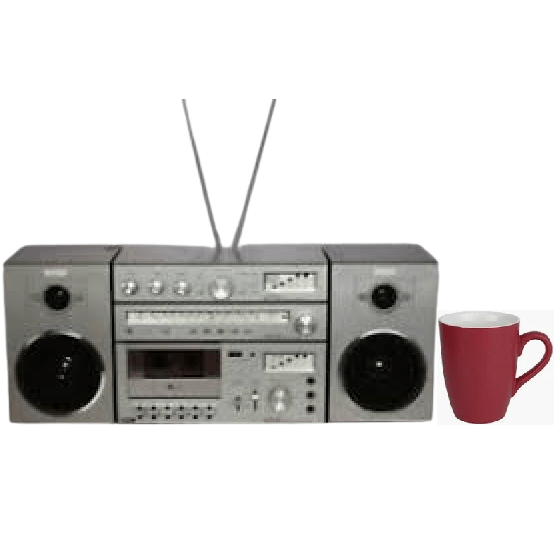
Take a look at the range of audio products from Amstrad over the years.

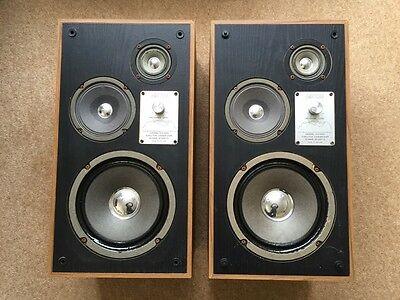
Speakers (c.1978). To complement the Amstrad Executive Series. Each speaker contained an 8-inch woofer, 5-inch mid-range drive unit (with adjustable volume control for presence), 2-inch tweeter, plus crossover unit. The speaker cabinets had removable front grilles.
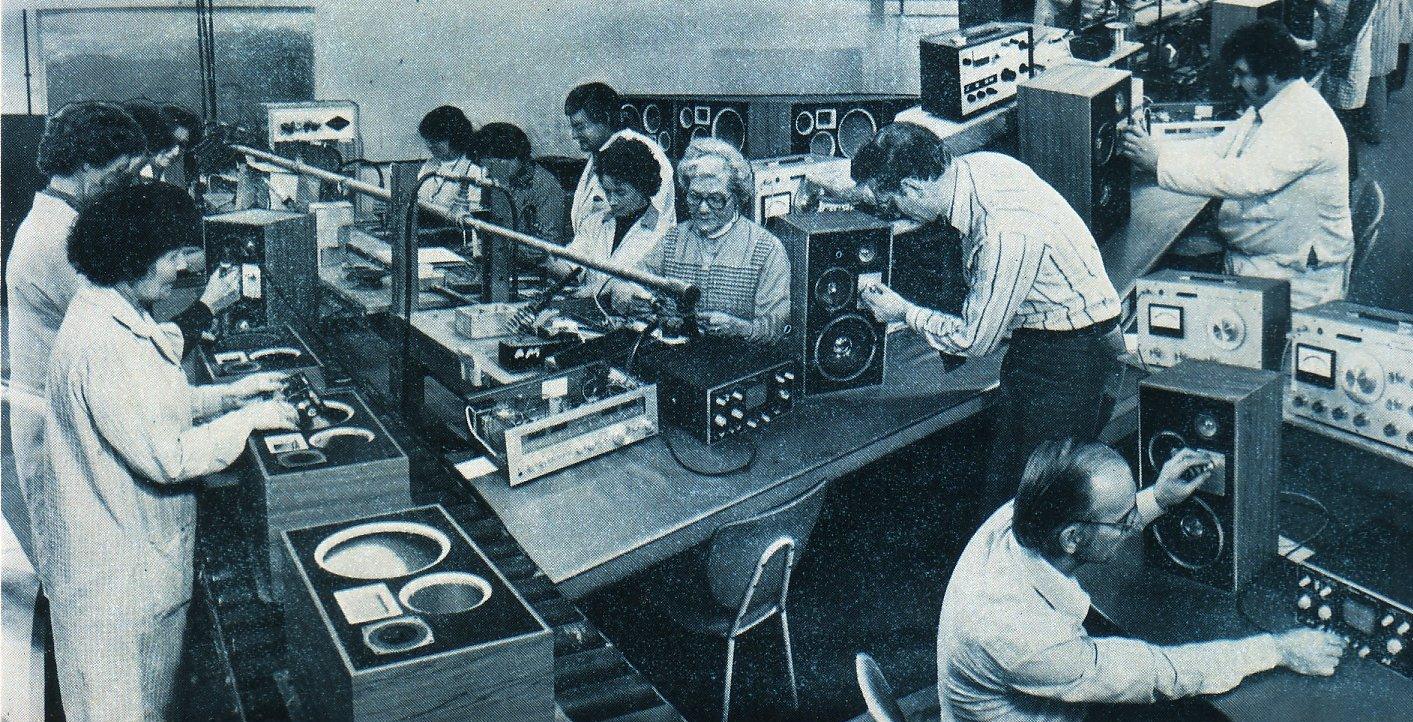

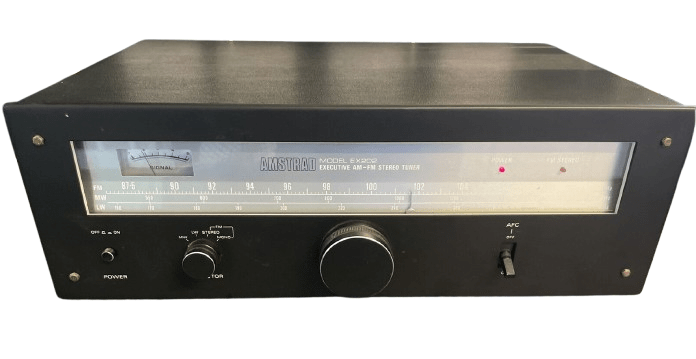
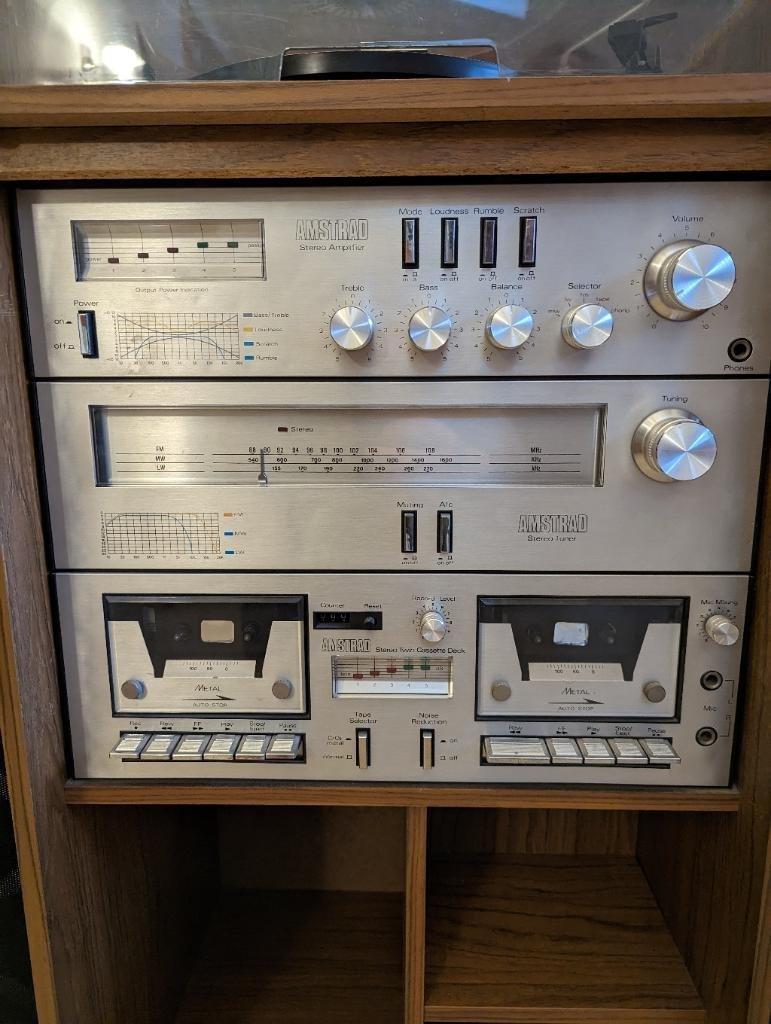
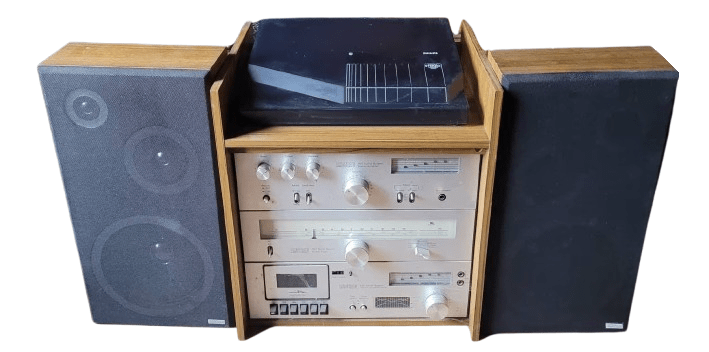
Stereo Amplifier, Tuner and Receiver (c.1979). Budget-priced follow up to the Amstrad Executive Series, comprising hi‑fi separates, again based on the Japanese rack-equipment style that was popular at the time. The front panels were available in a silver or matt-black finish. A wooden rack in which to house the equipment was also available as an optional extra.


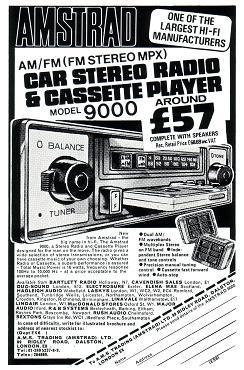
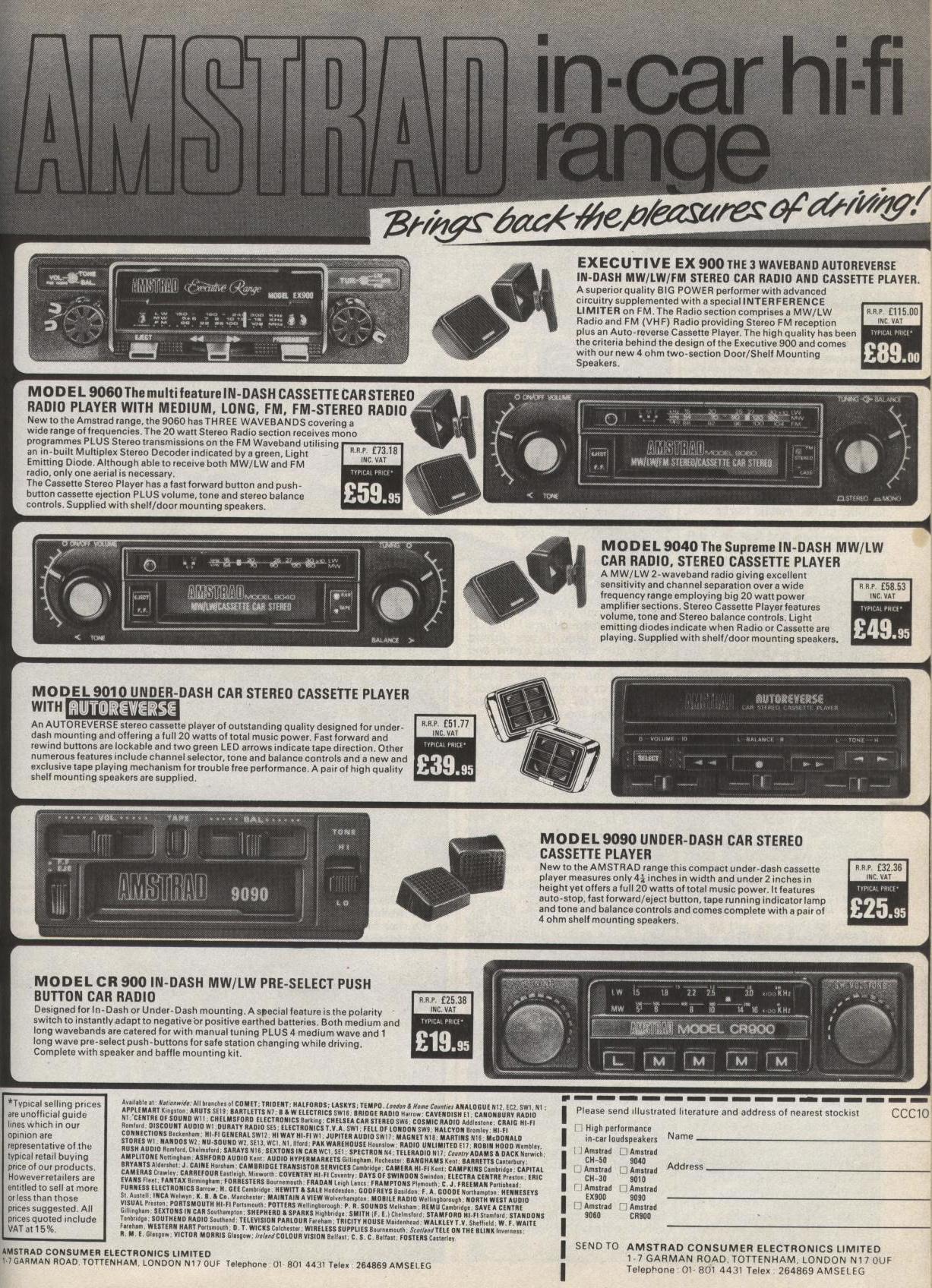
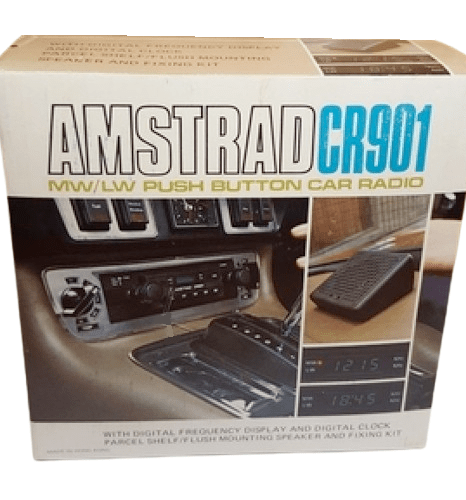
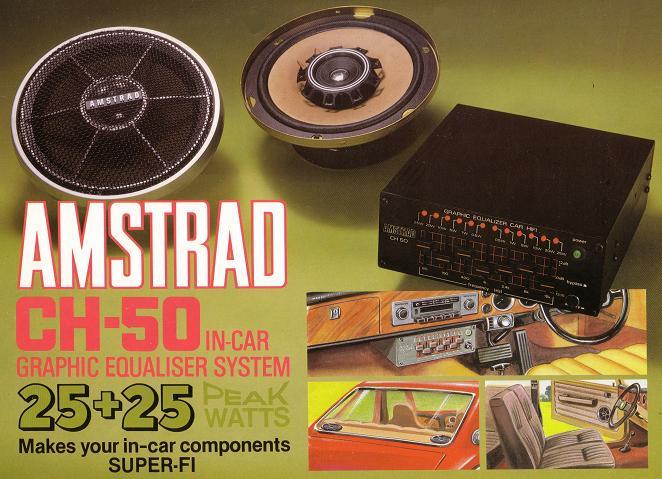
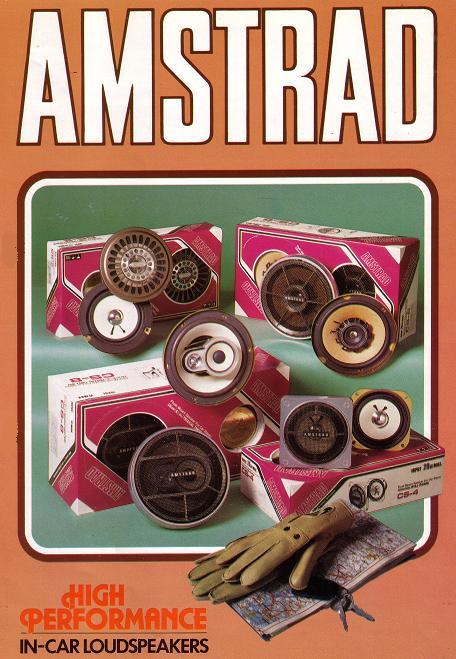
In-Car Audio Range (c.1979). High-power Graphic Equaliser Amplifier and high-performance speakers.


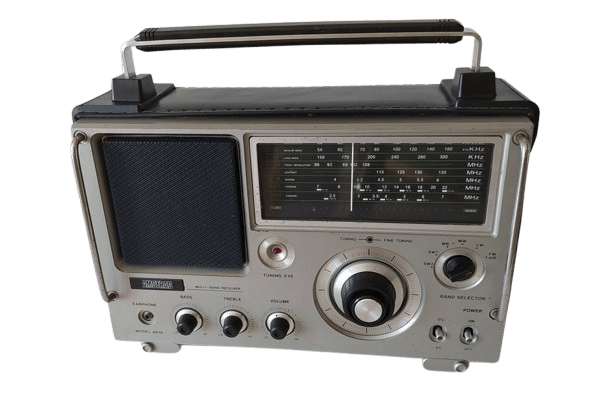
Multiband Radio (c.1979). Coverage: AM (MW/LW), FM, Aircraft Band, Marine Band, SW1 (7-22MHz), SW2 (2.5-7MHz).
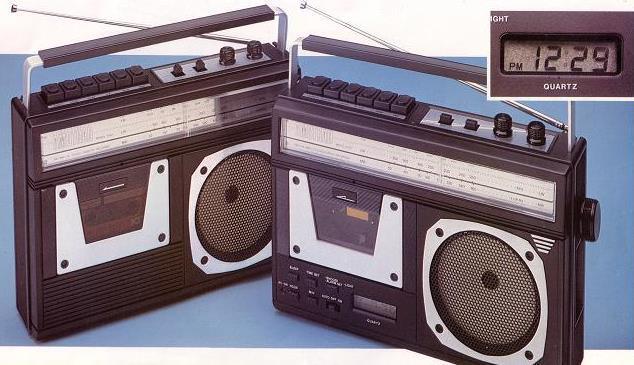
Portable Radio Cassette (c.1977-79). Model 6050 was similar to 6040 but with a built-in alarm clock timer.
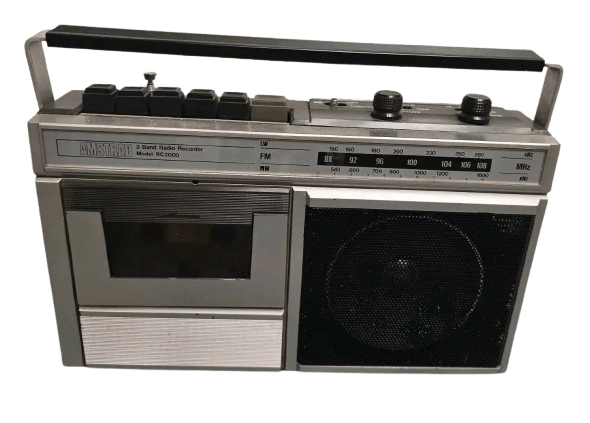
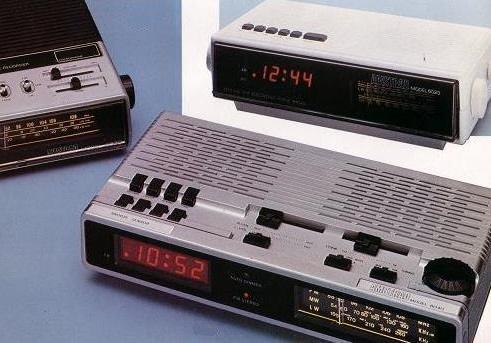
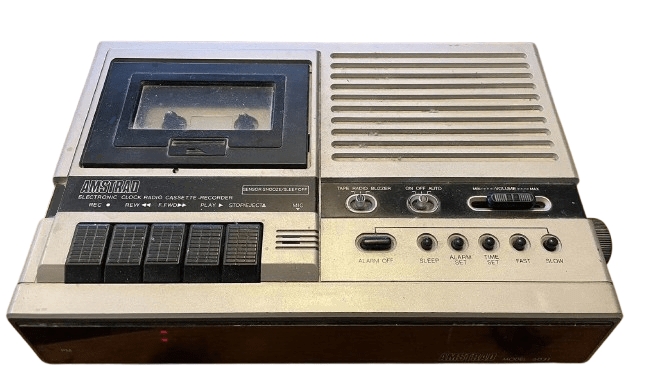
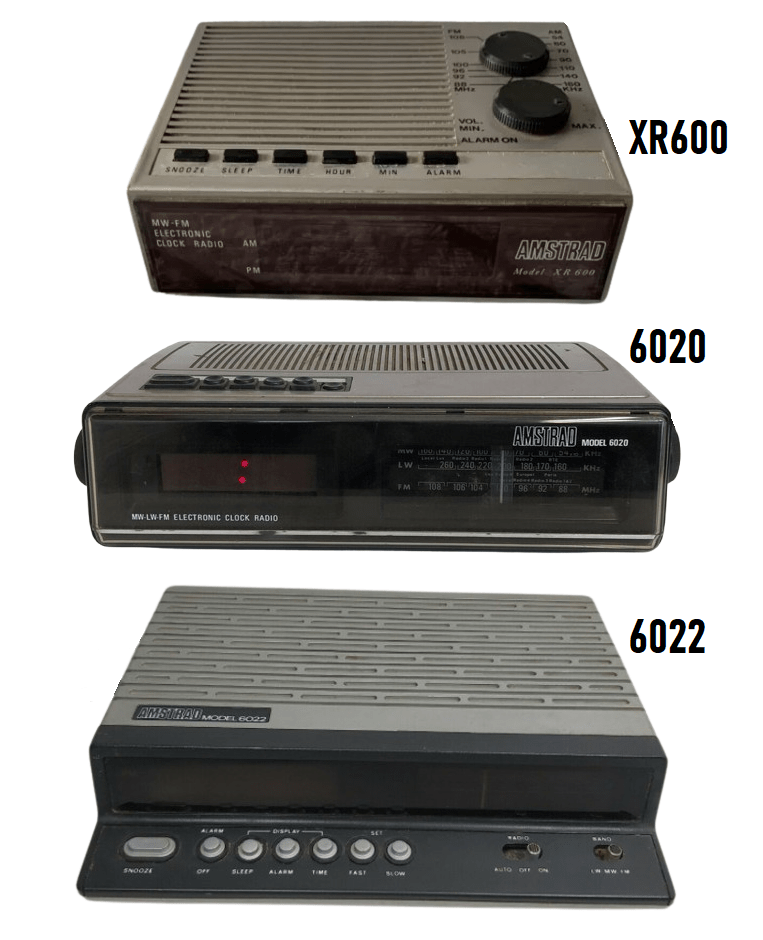
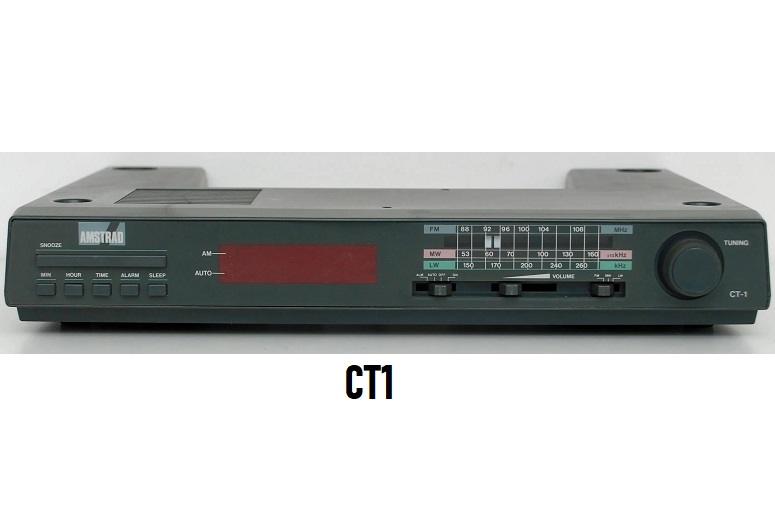
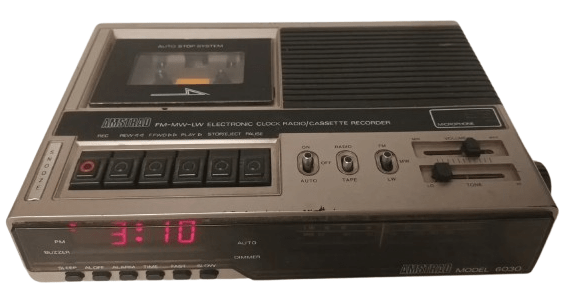
Clock Radio (c.1976-1989). Over the years Amstrad produced a number of clock radio products.

Stereo Tower System (c.1979). An all-in-one Record Deck, Amplifier, Tuner and Cassette Deck. Supplied with a matching pair of 2-way speakers. Model TS41 featured LED meters and was supplied with 3-way speakers.
Alan Sugar’s brainwave with the Tower System concept was to create the illusion of separates on the outside, however on the inside everything would be built on one chassis and housed within a single cabinet. This would allow huge economies because it eliminated the duplication of common items. Gone were the four individual products' cabinets (which would have been in addition to the outer wooden rack), and gone were four mains leads/plugs and interconnecting cables. Moreover, inside the unit, gone were the electronics for separate power-supplies, input/output sockets and other items. In true Amstrad tradition, the aforementioned cost savings were passed on to the customer so that when the product was released, its price and performance knocked spots off the opposition. What’s more, no longer was Amstrad the sole province of specialist hi-fi stores. With help from massive advertising campaigns, Tower Systems sold in their thousands throughout the country in every high street Currys, Rumbelows, Dixons, Argos and Woolworths.
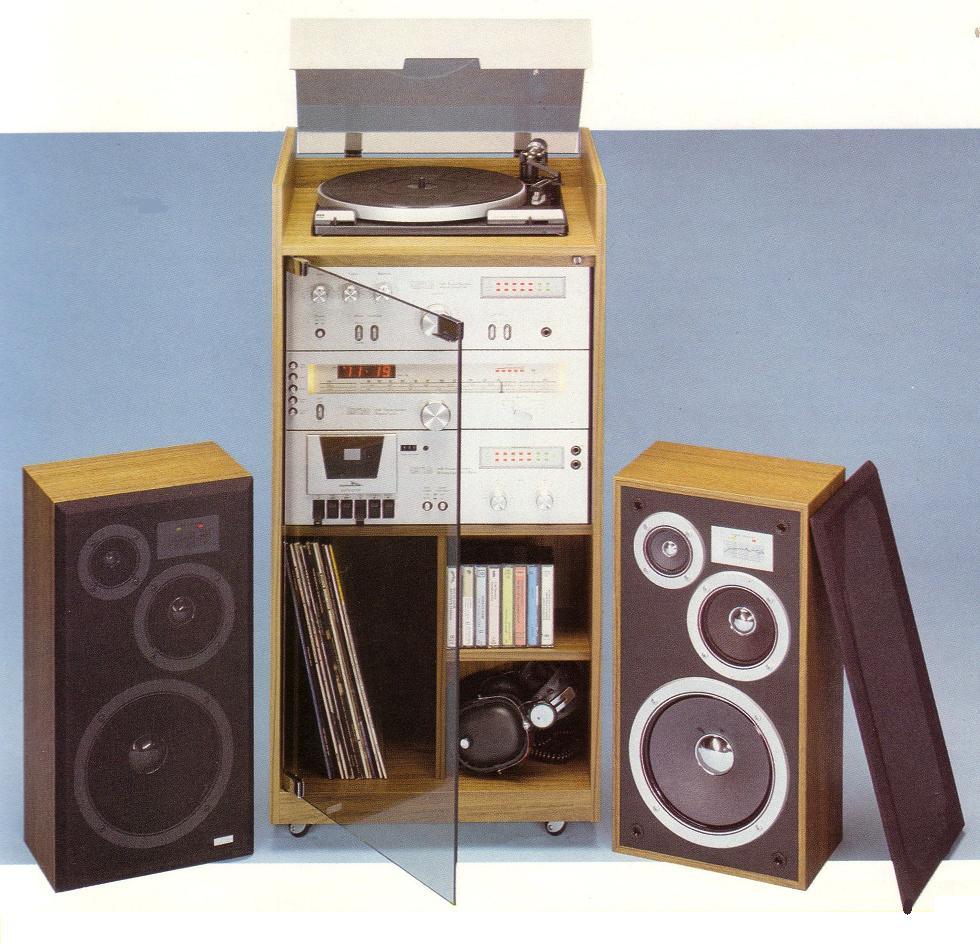
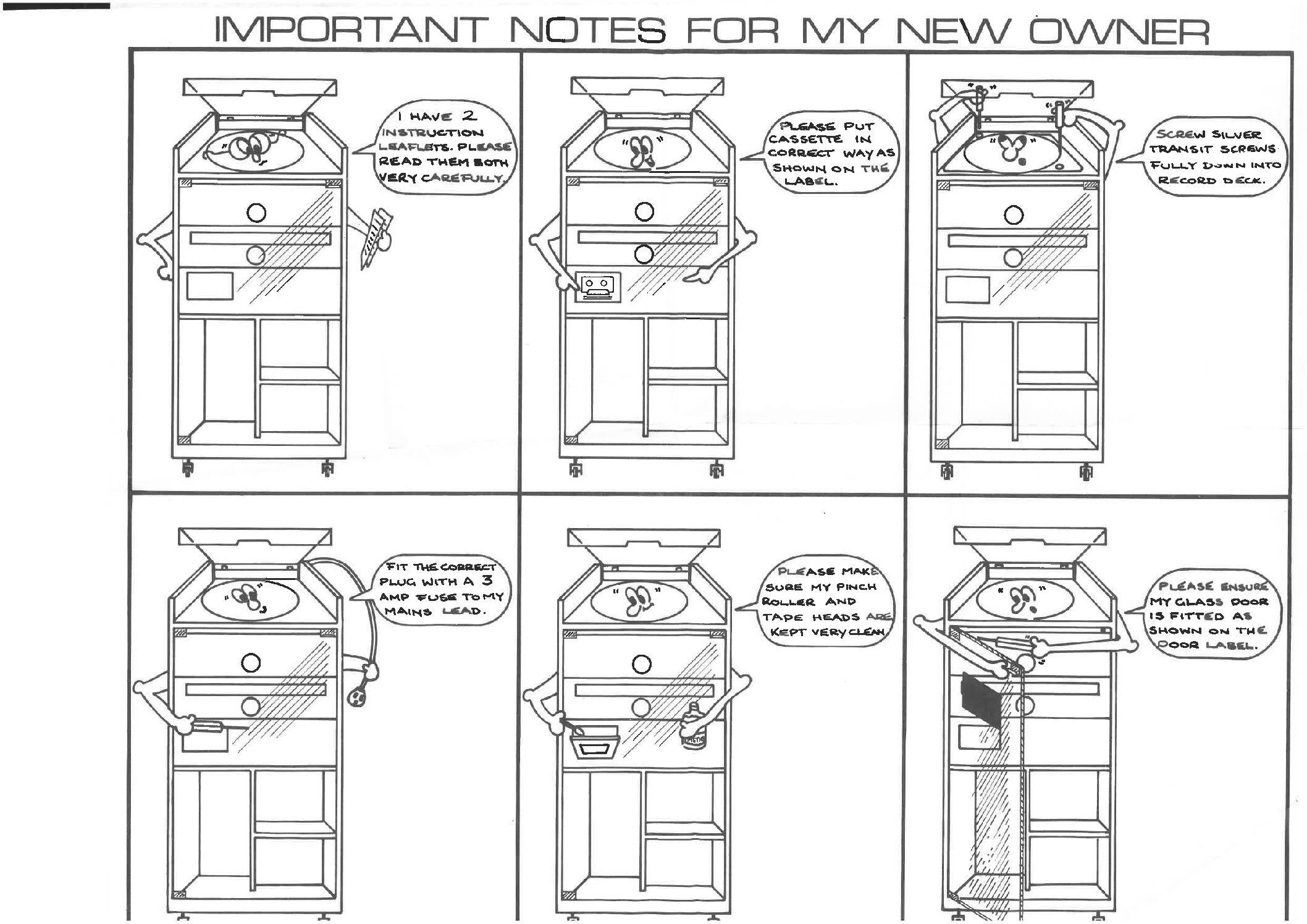

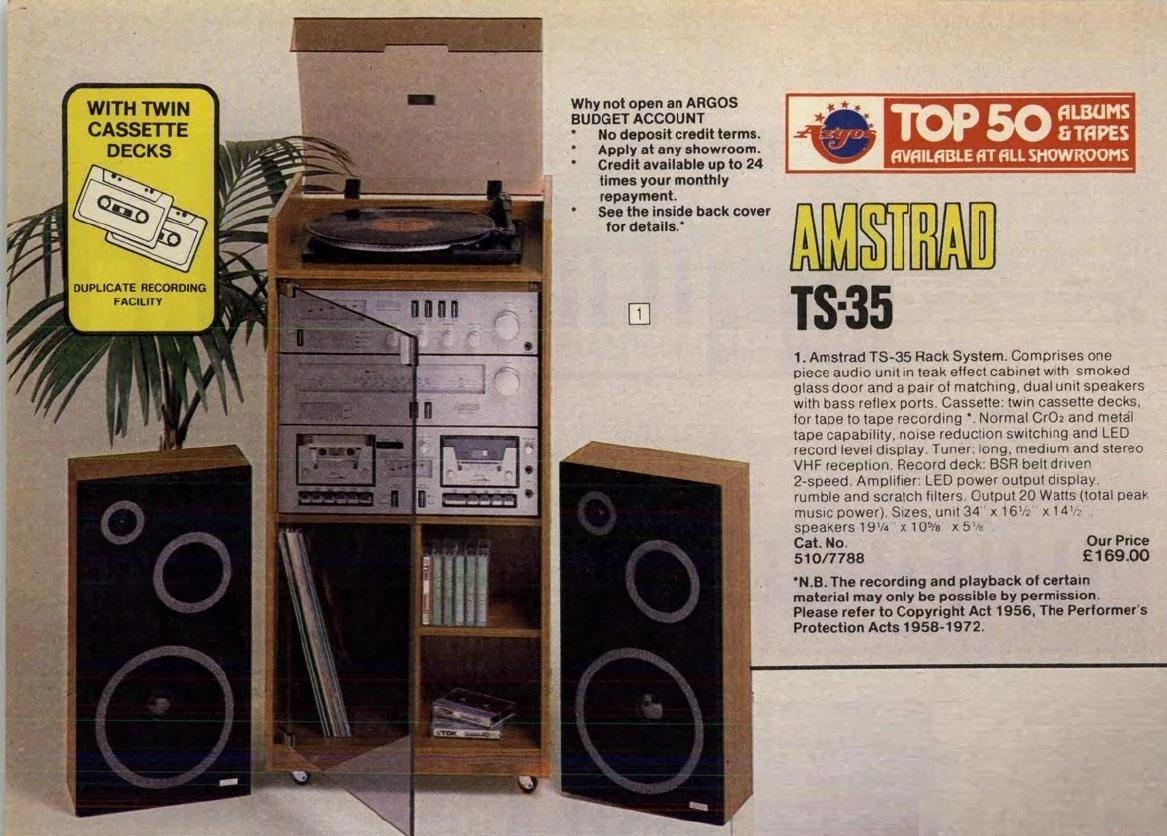
Stereo Tower System (c.1981). An all-in-one Record Deck, Amplifier, Tuner and Cassette Deck. Supplied with a matching pair of 3-way speakers. Model TS33 had a single-cassette deck – the TS35 was a breakthrough product as it was the first to incorporate two cassette decks – enabling the user to tape tapes! Amstrad set the template and in the years that followed, every audio manufacturer in the world – including the Japanese and European giants – produced twin cassette audio units. However, the British Phonographic Industry (BPI) claimed that Amstrad was inciting people to break the law by copying music. Amstrad countered this by putting large warnings on their adverts stating, 'It is illegal to copy copyrighted material'. In a court case against Amstrad, the BPI even suggested that twin-cassette audio units should be banned; however, Amstrad put the argument that by the same token, the sale of sports cars should be prohibited as they might encourage people to break the speed limit.
Model TS30 was a 'cut-down' version (for table or shelf mounting) for those who did not want a tower system.
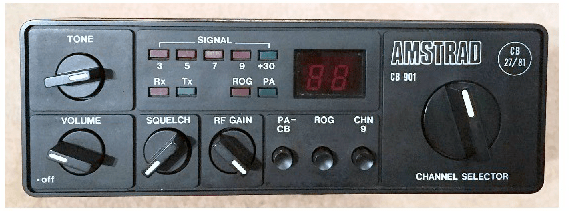
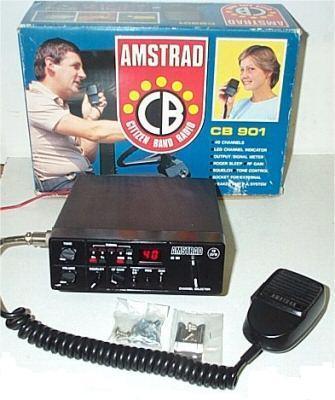
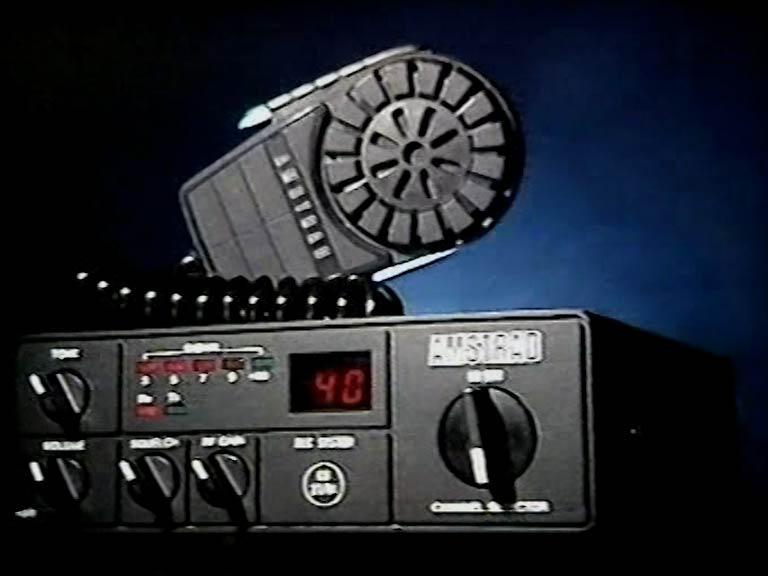
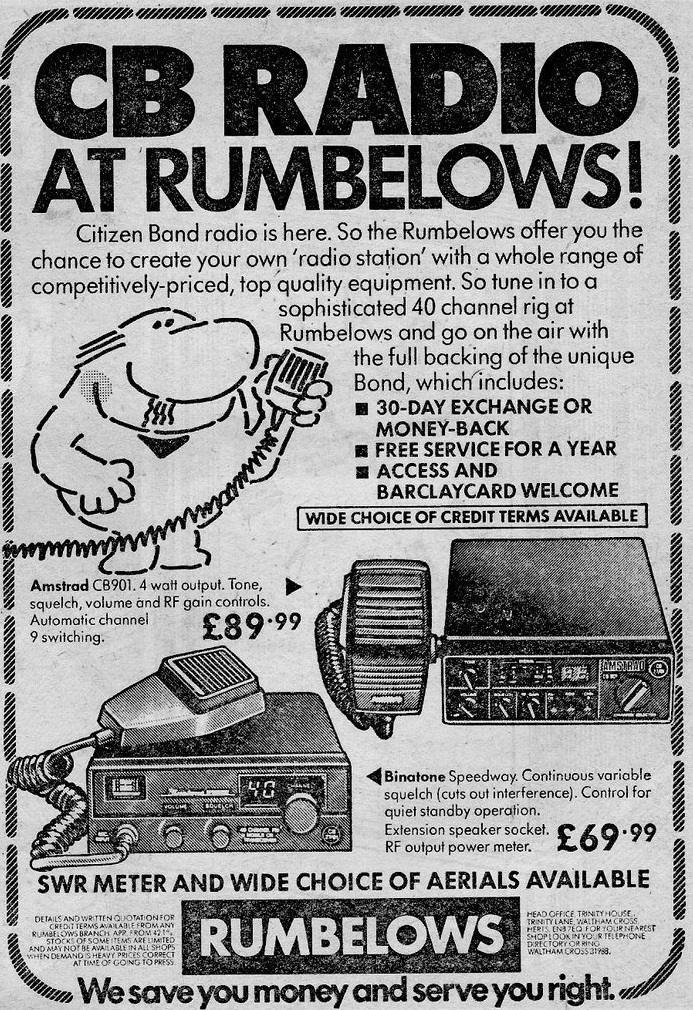
Citizens Band (CB) Radio Transmitter / Receiver (1981). After the UK Government legalised CB radio, Amstrad was quick to seize the marketing opportunity, launching models CB900 and CB901. The Amstrad units pretty much cornered the CB radio market.

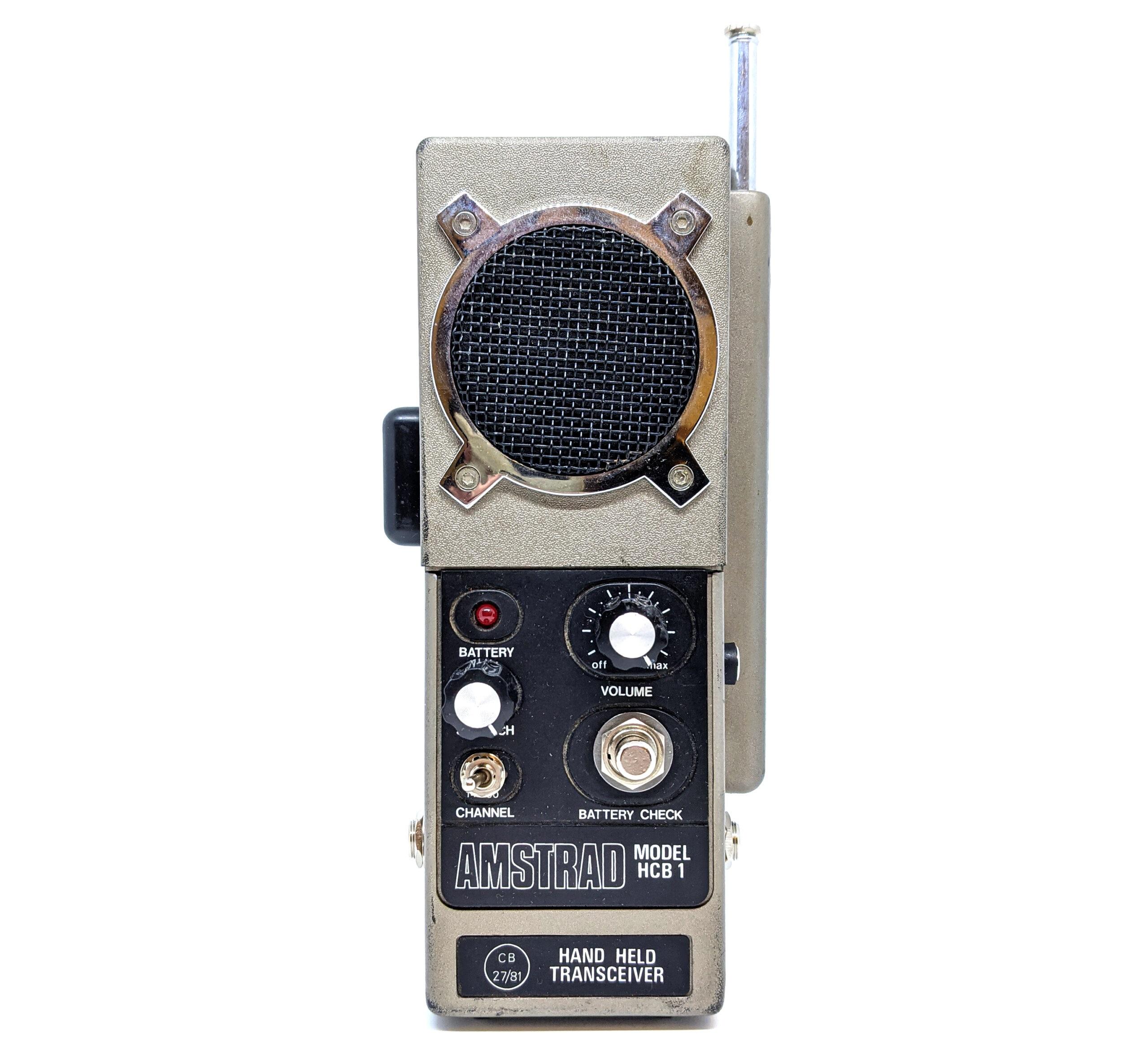
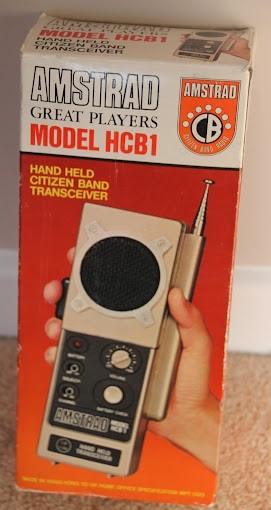
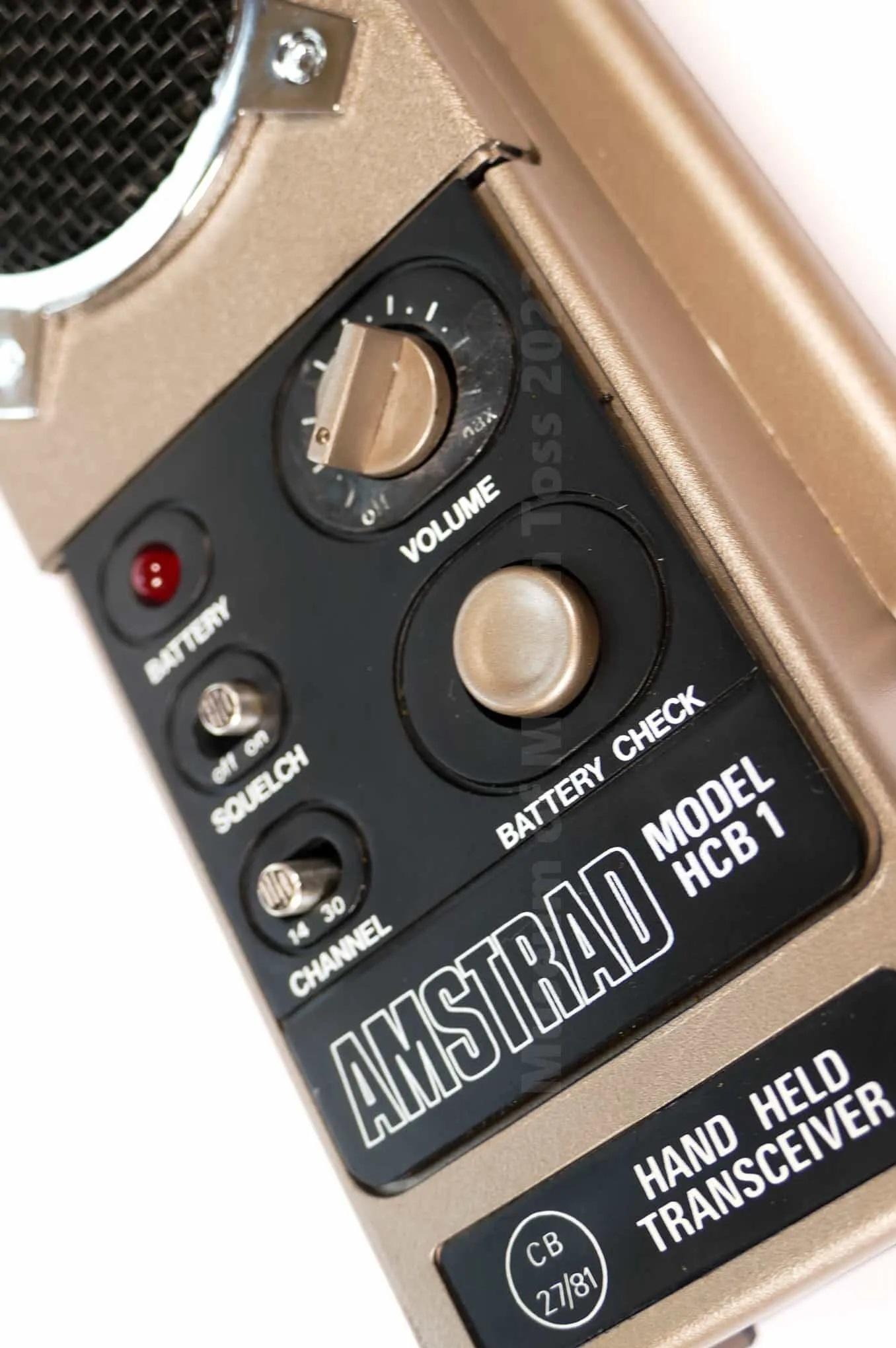
Portable Citizens Band (CB) Radio Transmitter / Receiver (1981). Handheld CB radio transceiver, akin to a walkie talkie. Battery operated.
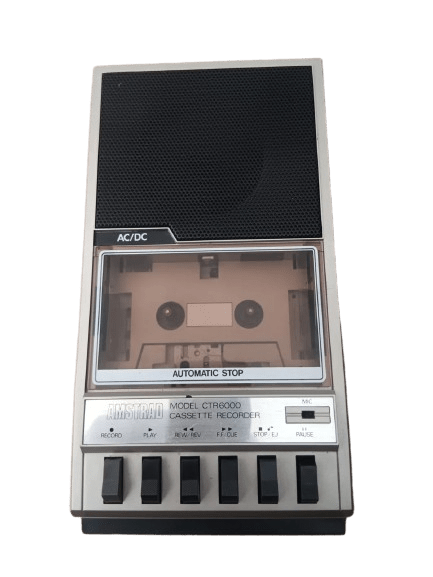
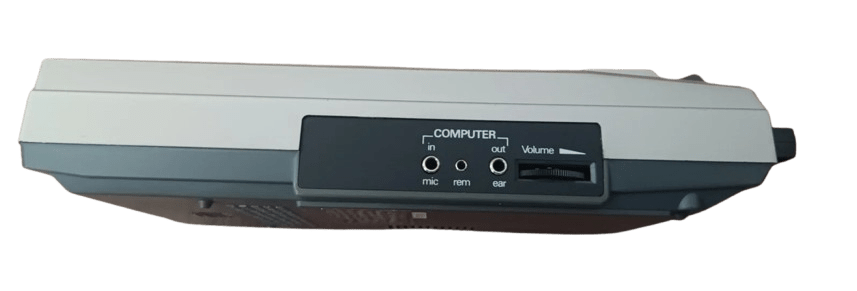
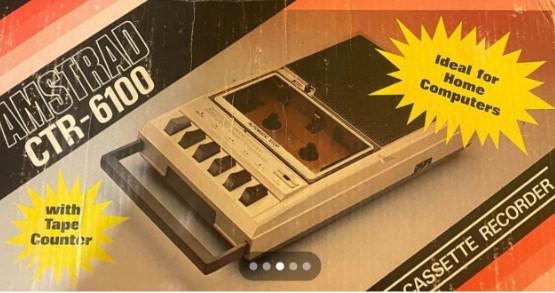
Portable cassette recorder (c.1982). As well as being a popular music medium, cassettes were increasingly being used for data storage in the emerging home-computer market. Typically a user would plug a cassette machine into their Sinclair Spectrum or Commodore 64 to save and load programmes and games. In addition to the IN and OUT sockets there was a REM socket by which computers could remotely control when the tape starts and stops (see More Images). Model 6100 also had a tape counter which helped find specific locations on a tape.
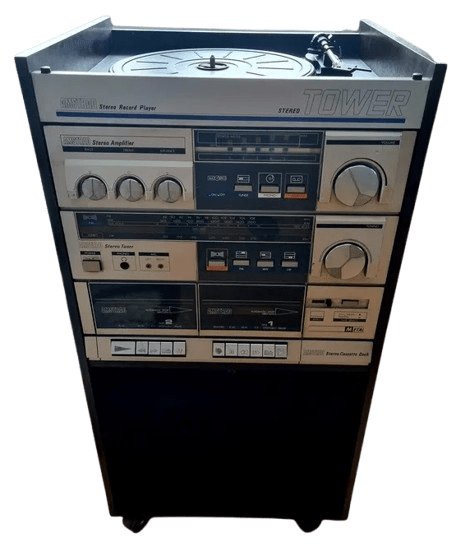
Stereo Tower System (c.1982). An all-in-one Record Deck, Amplifier, Tuner and Cassette Deck. Supplied with a matching pair of 2-way speakers. Model TS51 had a single-cassette deck; the TS55 had twin cassette decks.

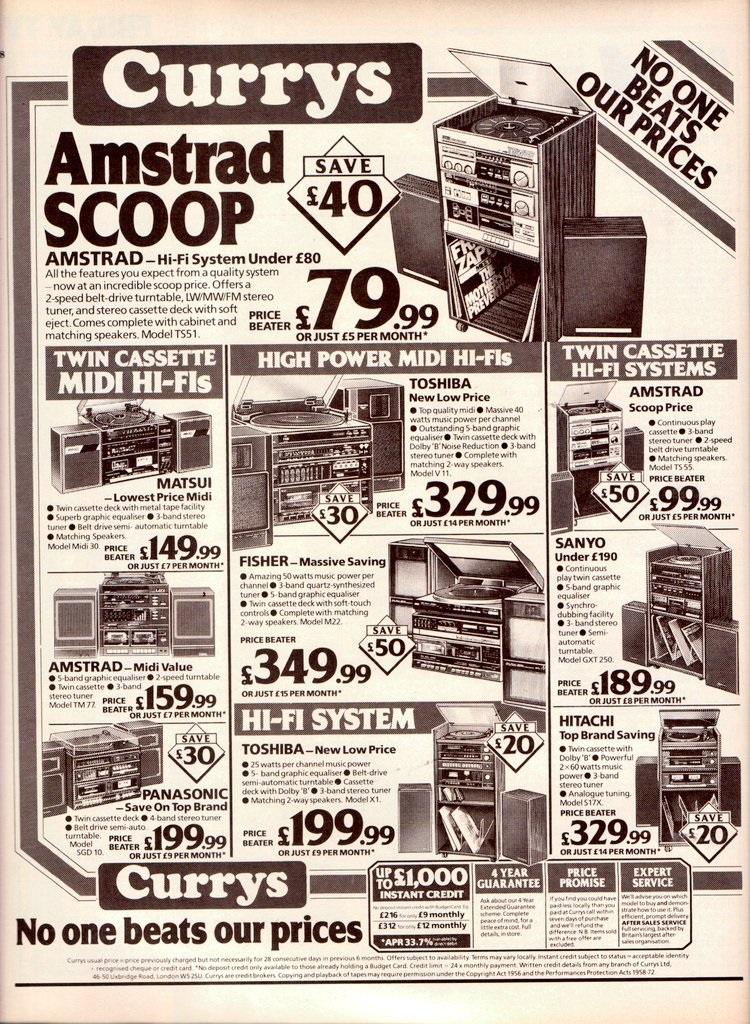
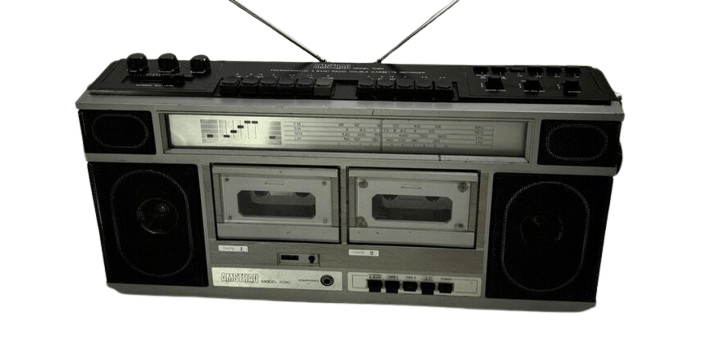
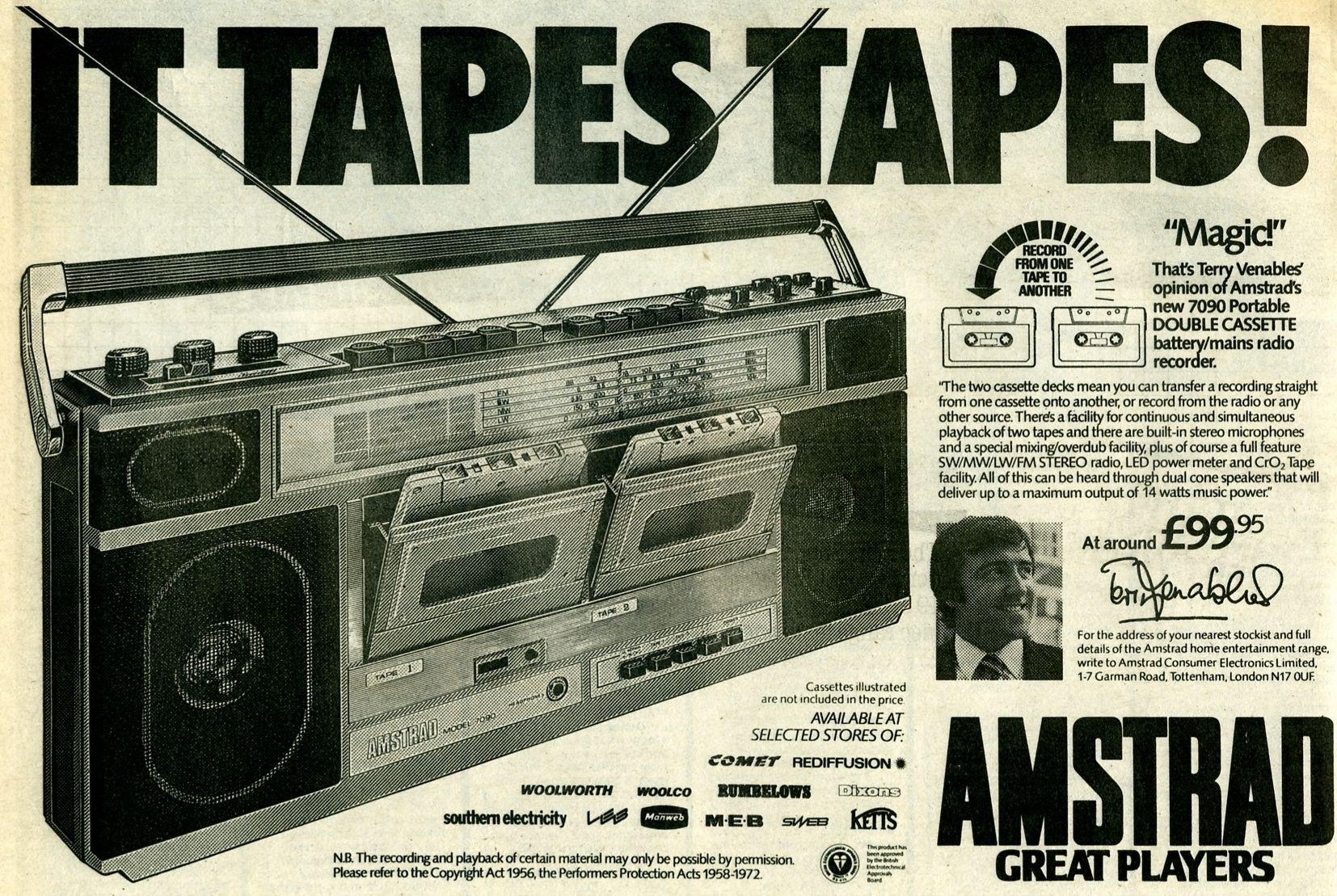
Portable Stereo Radio Cassette player (c.1982). The first portable unit to incorporate two cassette decks – enabling the user to tape tapes! Amstrad set the template and in the years that followed, every audio manufacturer in the world – including the Japanese and European giants – produced twin cassette audio units. The British Phonographic Industry claimed that tape-to-tape equipment was inciting people to break the law by copying music. Amstrad countered this by putting a Copyright warning at the bottom of our advertising (see More Images).

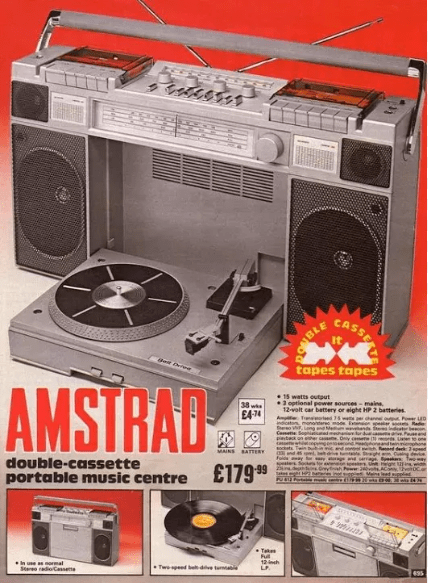
Portable Stereo Radio Cassette and Record player (c.1982). This product featured not only twin cassette decks but also a pull-down turntable.

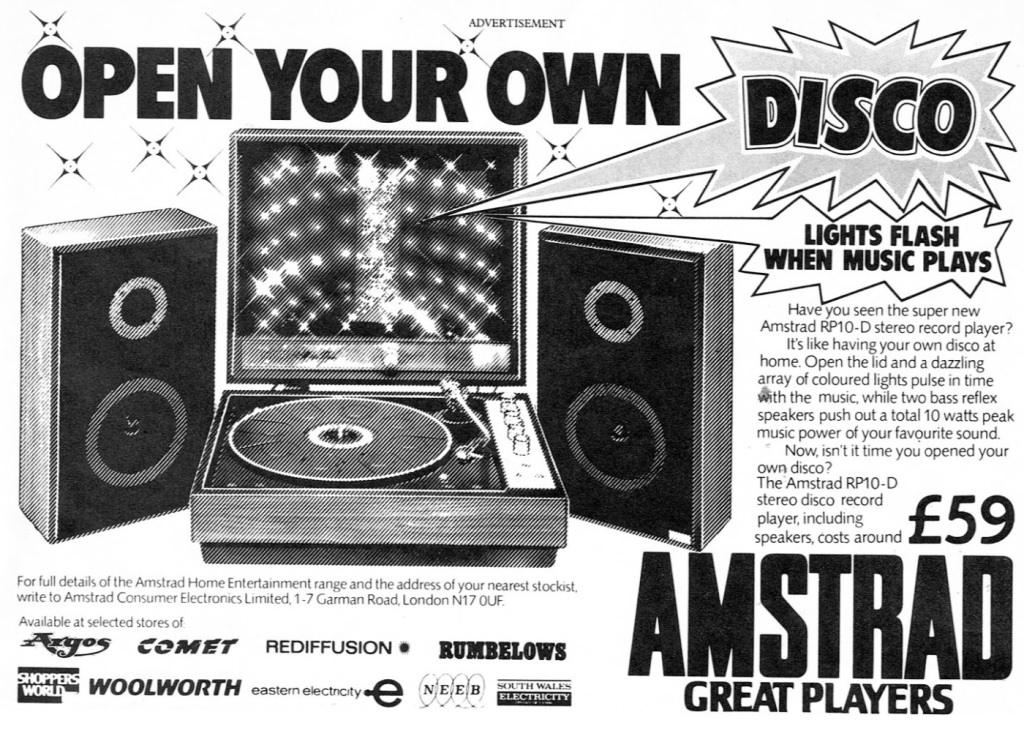
Record player with flashing 'disco' lights (c.1983). For a demonstration of the disco effect, select Watch the TV Advertisement below.
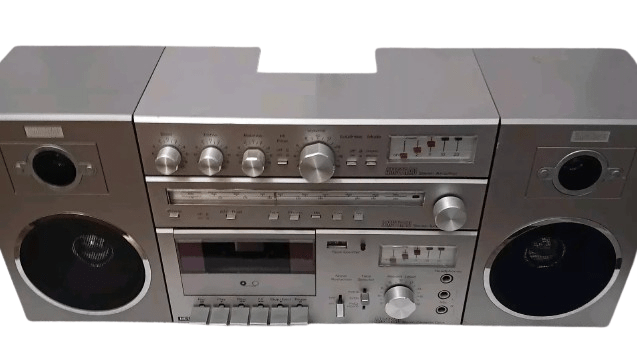
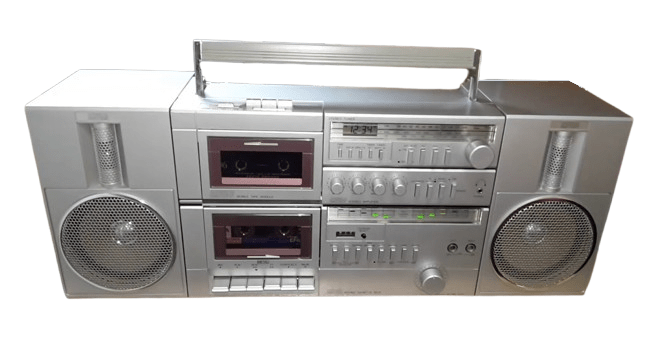
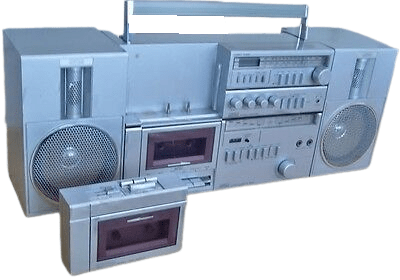
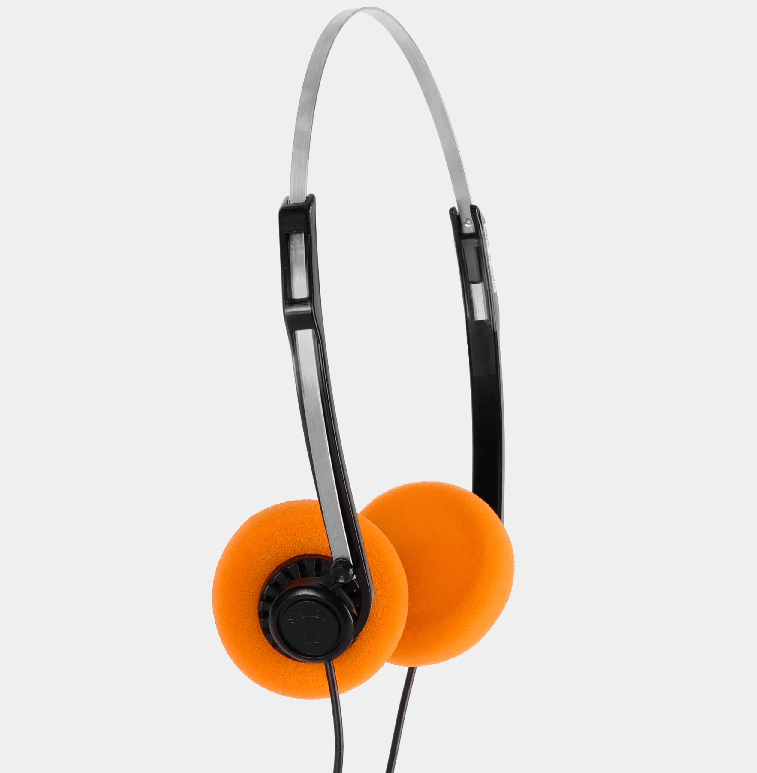
Portable mini hi-fi system with detachable speakers (c.1983). This product afforded twin-cassette operation by means of a novel feature - the upper cassette player was detachable for use as a Walkman-style personal cassette player. Lightweight headphones were supplied for this purpose.
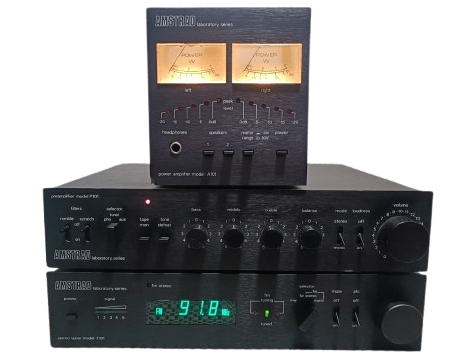
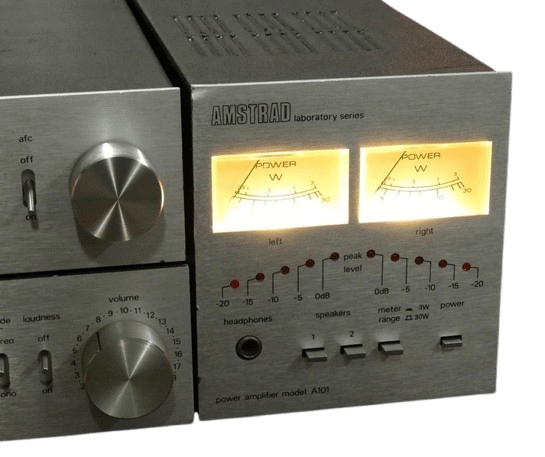
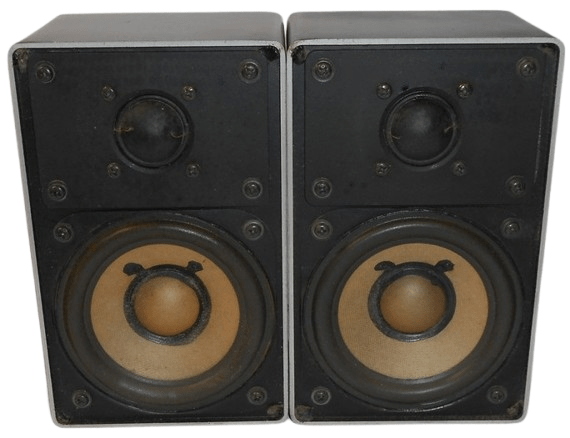
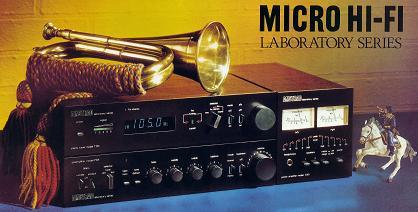
Micro hi-fi system (c.1983). Amstrad's Laboratory Series was a high performance, high build-quality system comprising the A101 power amplifier, P101 preamplifier, T101 tuner and LS101 speakers. The product was available in a black or silver front panel finish.
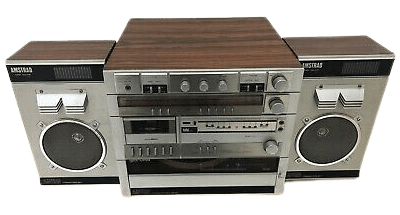
Stack Module hi-fi system (c.1983). This product featured a motorised slide-out turntable drawer. Supplied with speakers. Model SM102 was the twin-cassette version.
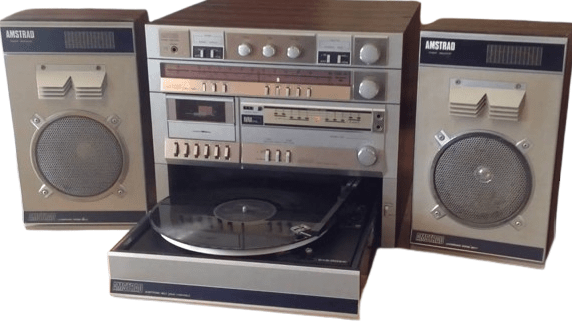
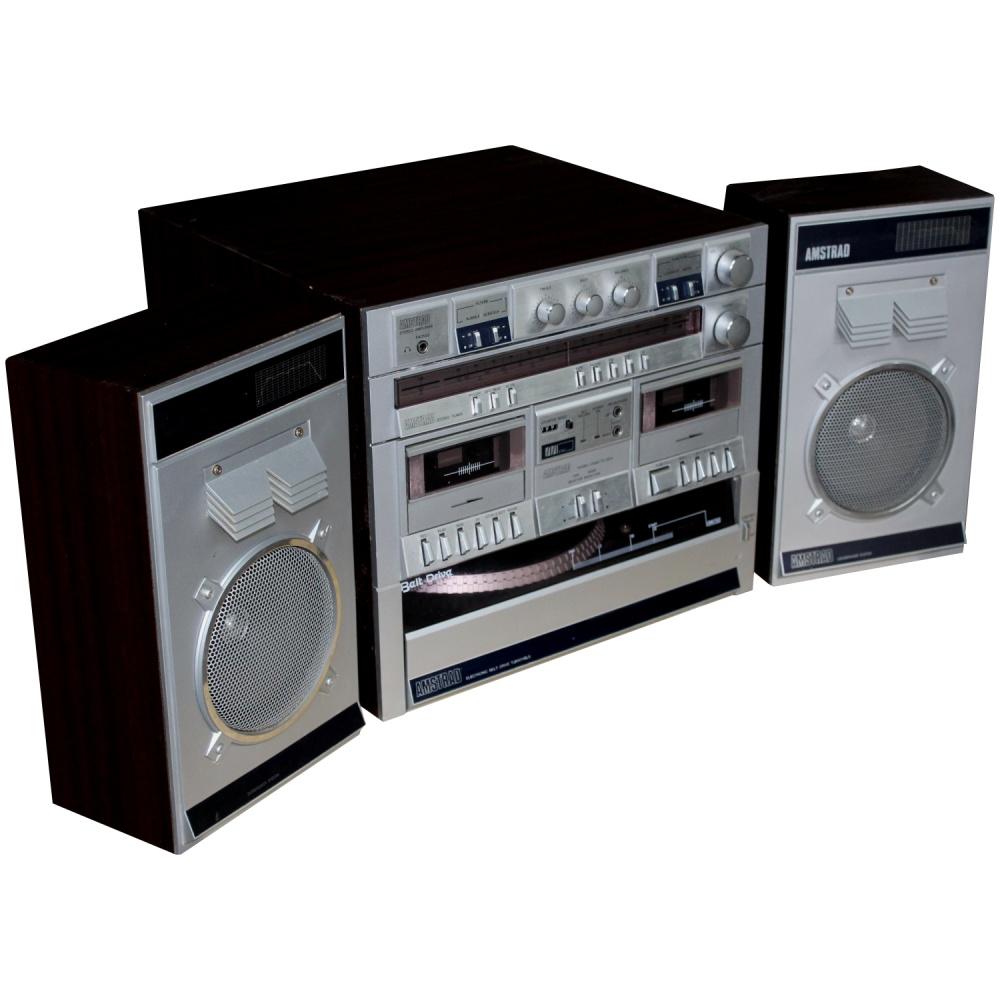
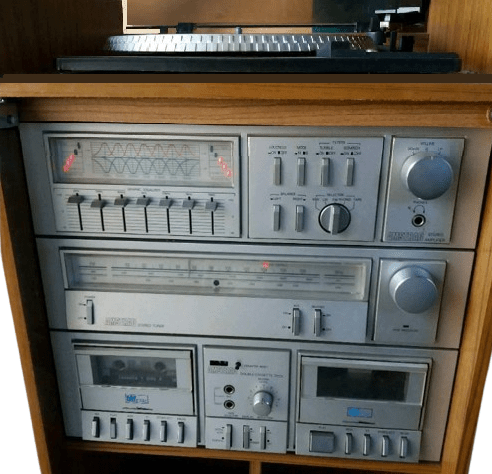
Tower System with remote control (c.1983). Supplied with speakers. Model TS88 was the twin-cassette version.
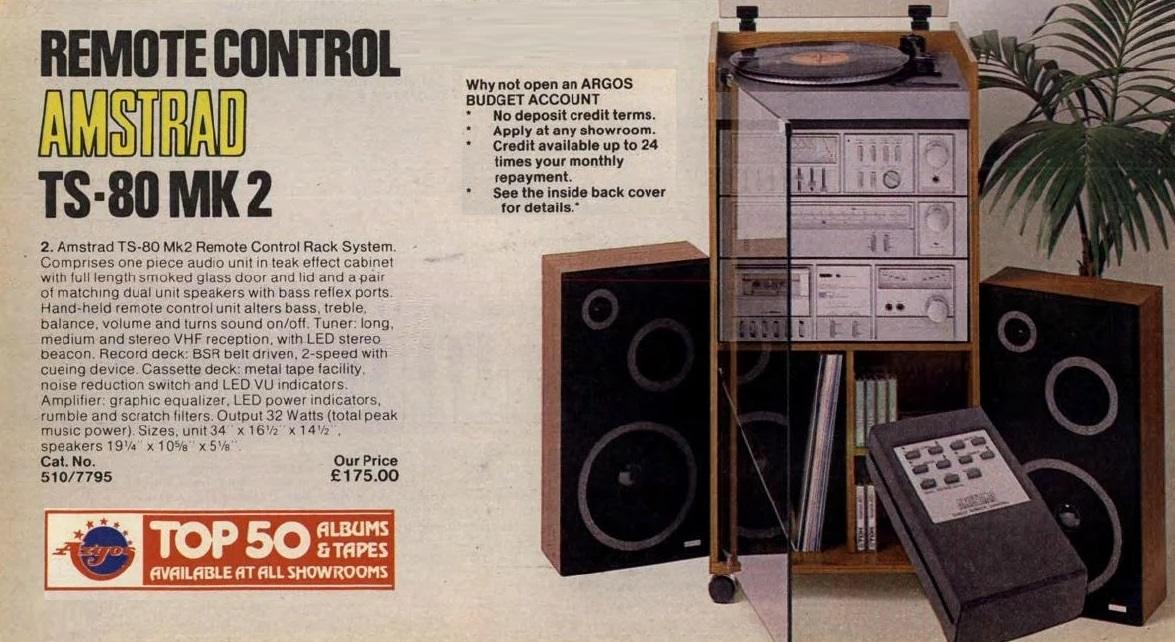
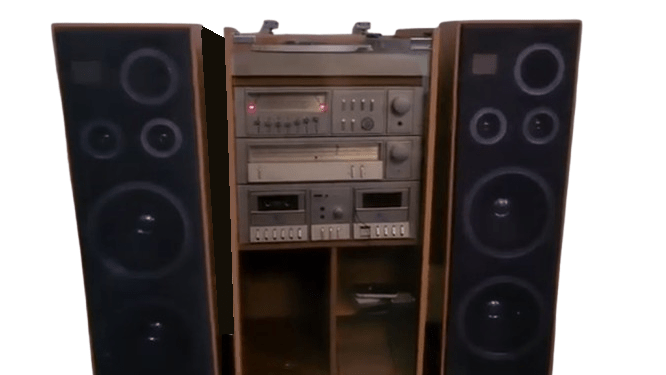

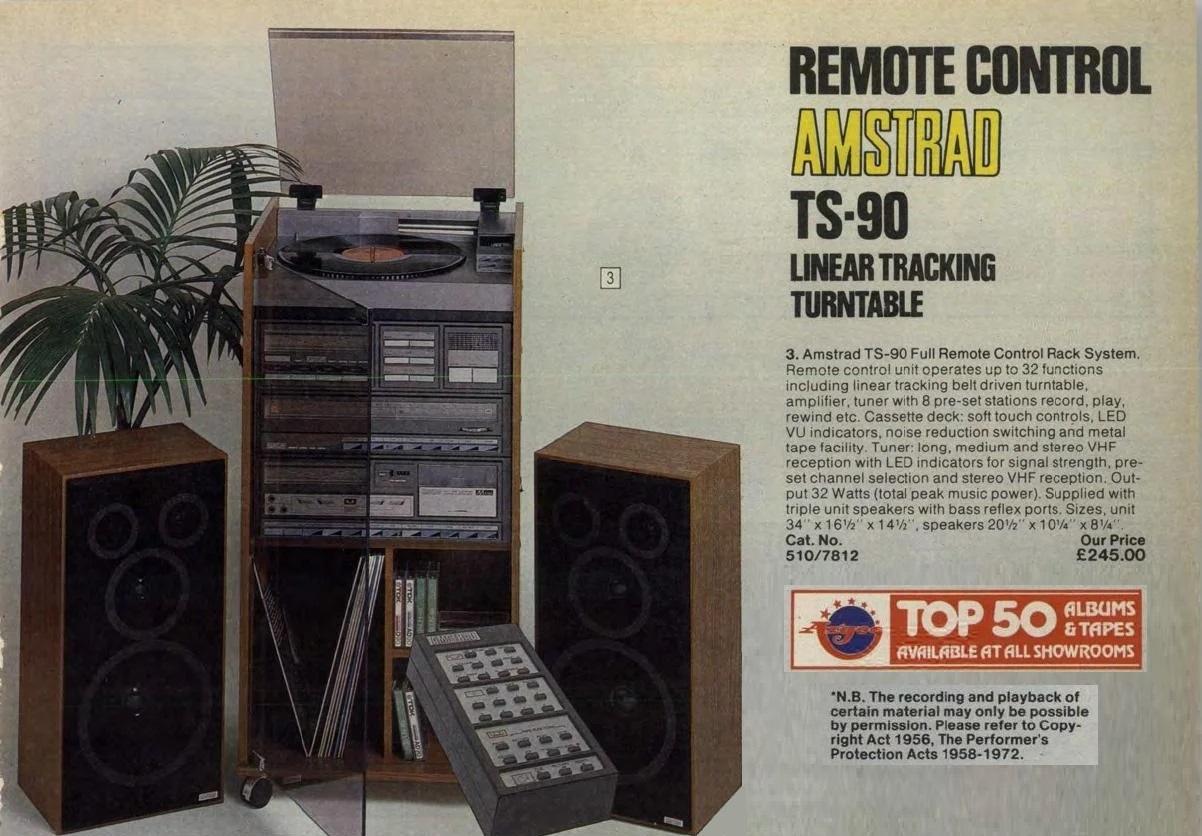
Tower System with remote control and linear-tracking turntable (c.1984). Supplied with speakers. Model TS99 was the twin-cassette version.
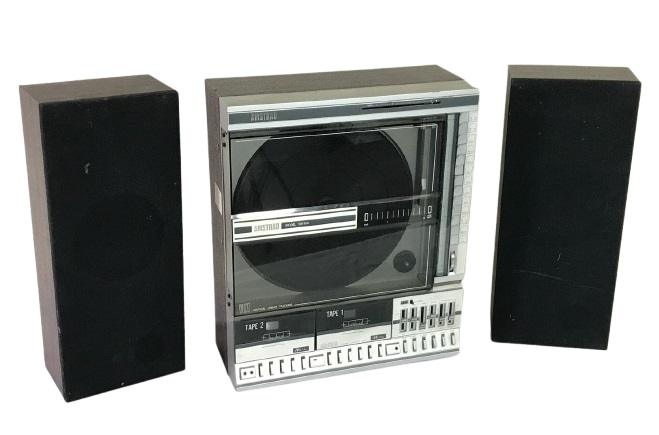
Vertical Stack Module System with twin-cassette and linear-tracking turntable (c.1985). Supplied with speakers.
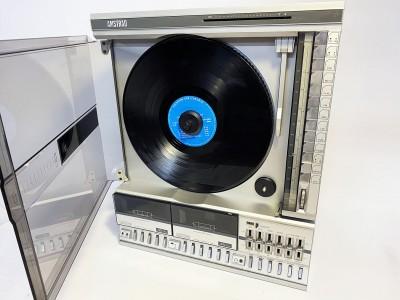

Tower System with twin-cassette (c.1985). Supplied with speakers.