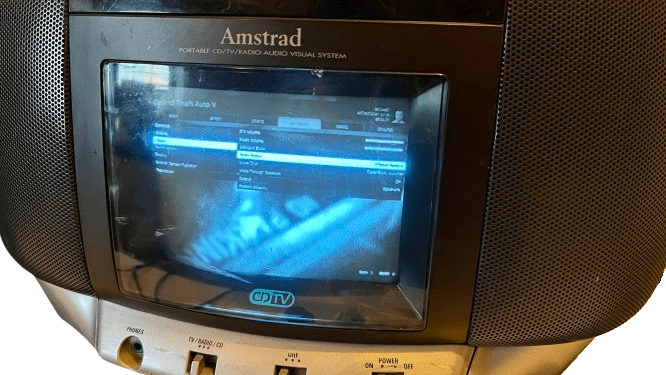
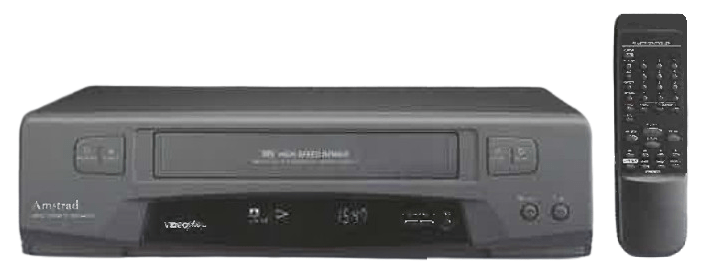
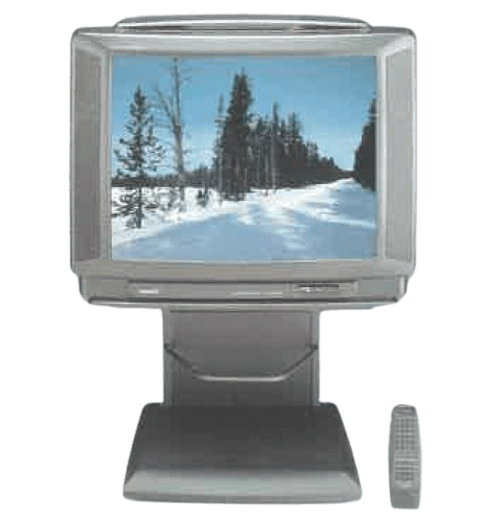
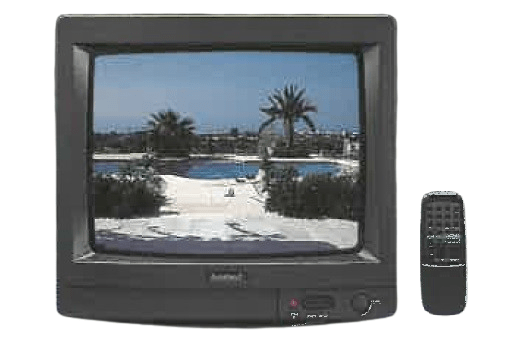
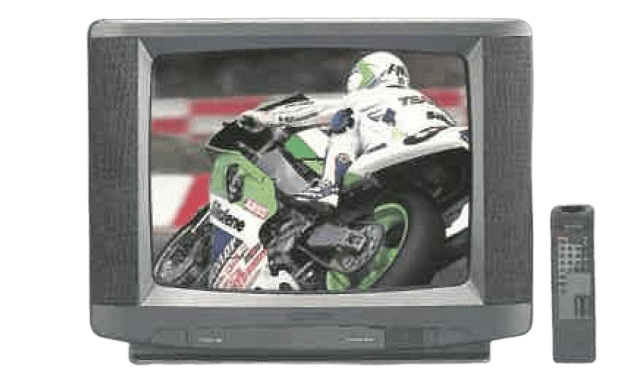
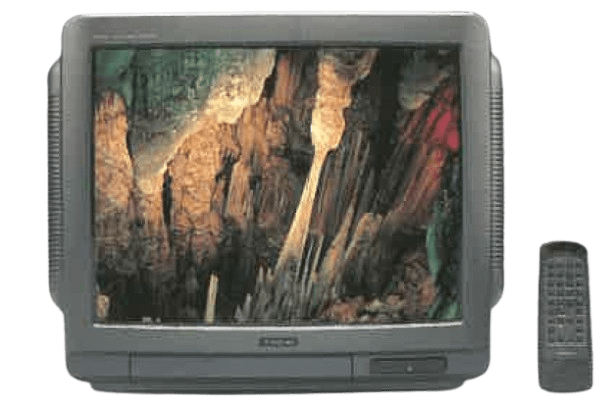
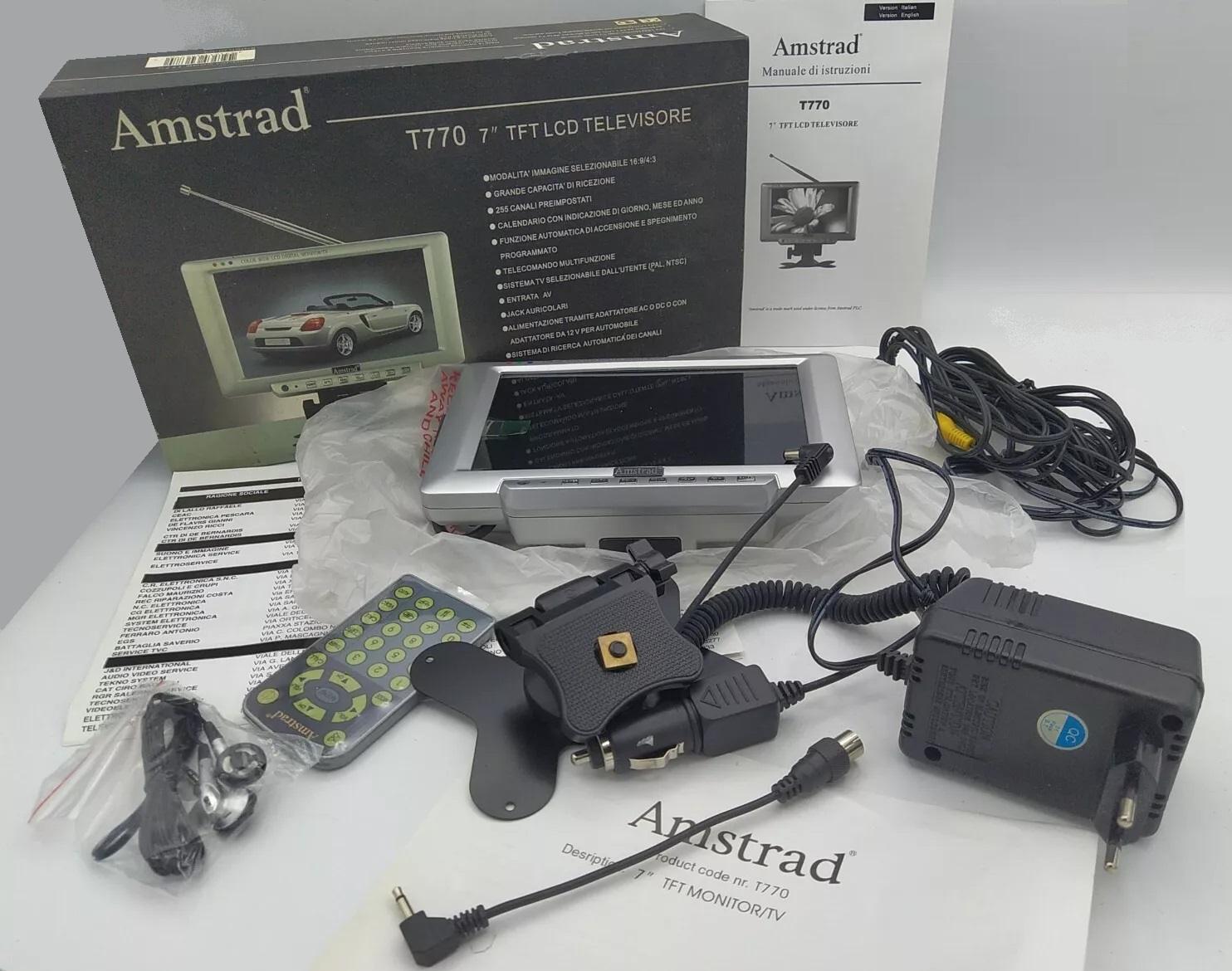
Take a look at the range of television and video products from Amstrad over the years.

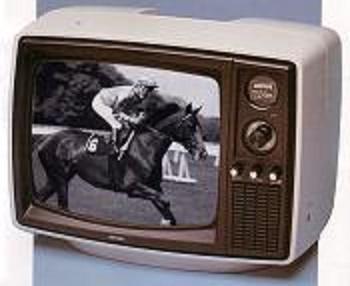
Portable TV (c.1978). Amstrad's first television product, a 12 inch UHF monochrome model with built-in adjustable aerial and manual tuning.
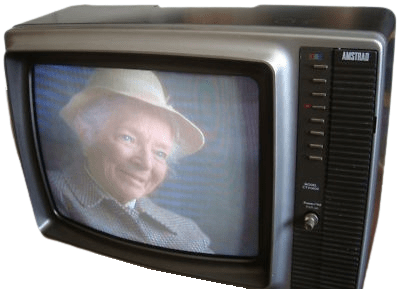
Portable TV (c.1981). 14 inch colour television with built-in adjustable aerial and push-button tuning.


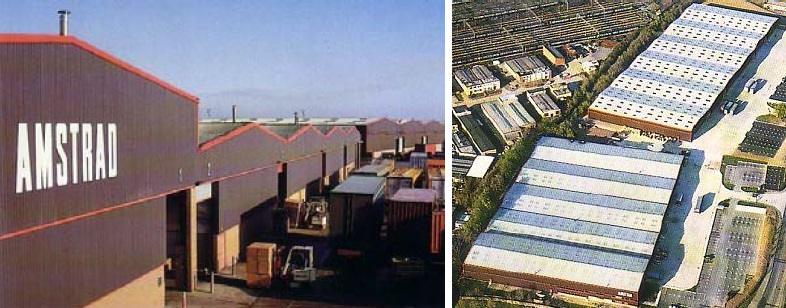
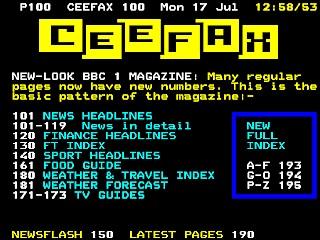
TV (c.1981). 22 inch colour television with remote control and stand. The CTV2210 model included Teletext. Both models were produced at Amstrad's 133,000 sq ft factory in Shoeburyness-on-Sea, Essex.

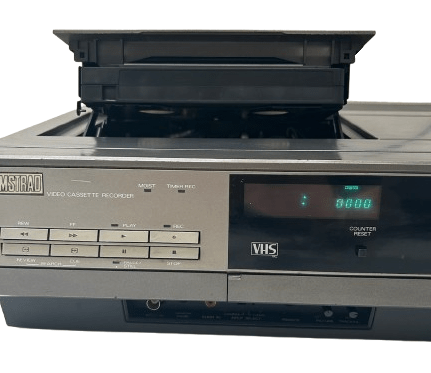
VCR (c.1981). Amstrad's first ever Video Cassette Recorder. VHS top-loader with 14-day timer and corded remote control handset.


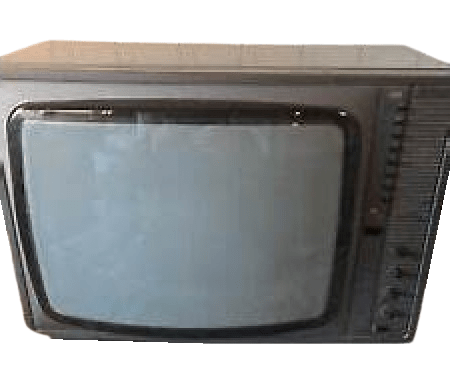
Portable TV (c.1982). 14 inch colour television with built-in adjustable aerial and push-button tuning. The CTV1420 model had an infrared remote control handset.

Video Recorder with remote control (c.1984). The new LP (long play) facility enabled users to get 8 hours recording/playback from a 4-hour E240 tape.
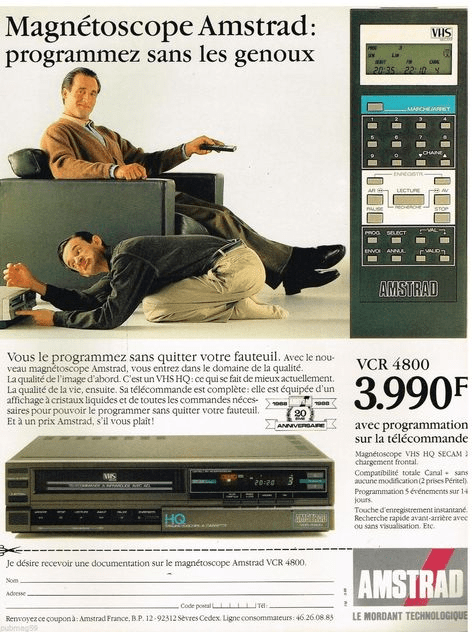
Amstrad was also exporting VCRs to the European markets at the time. This necessitated the production of different variants of the product as other parts of Europe used different TV systems. The UK used PAL-I whereas most EU countries used PAL-BG. France used the SECAM system (see advertisement for the French variant, the VCR4800, in More Images).

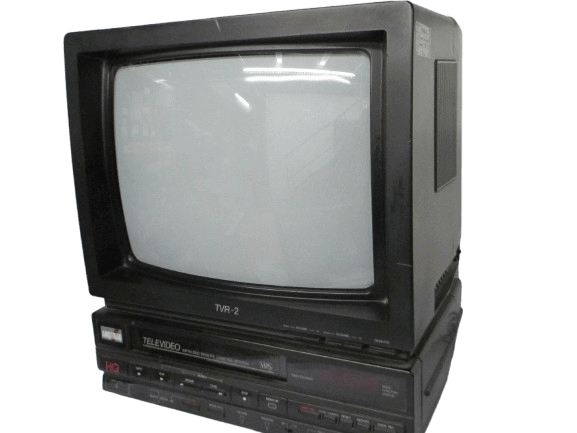
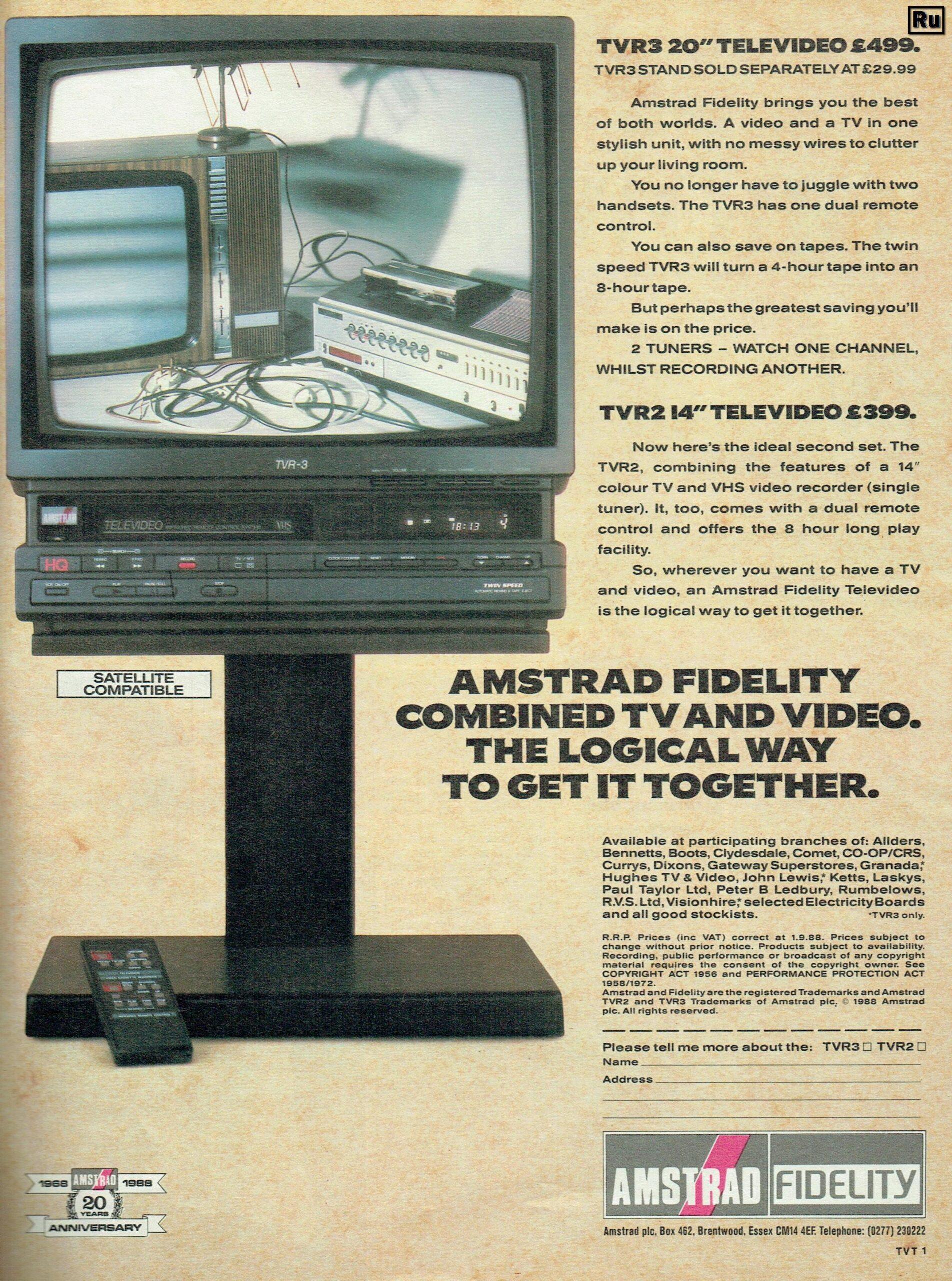
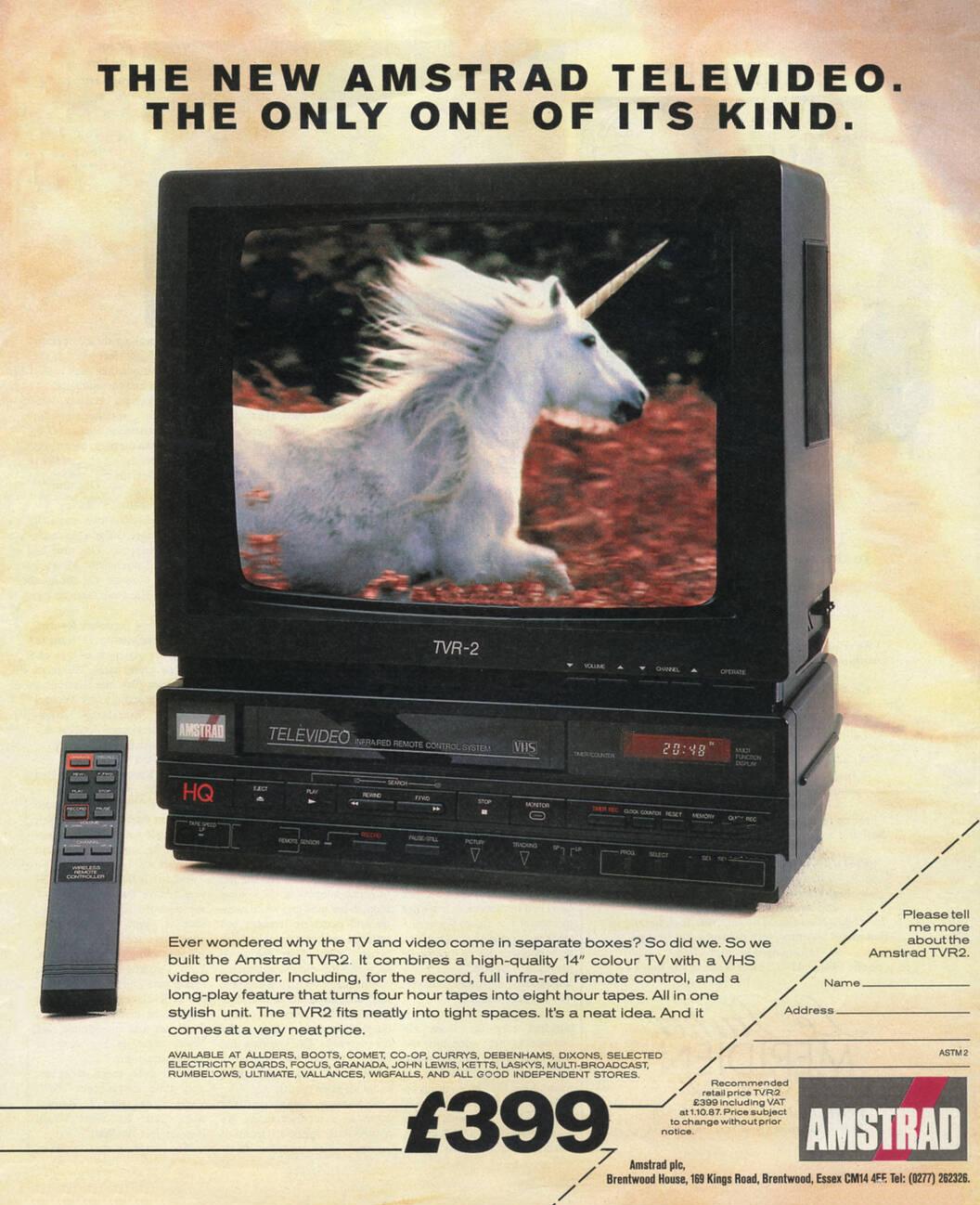
Combined television/video recorder with remote control (c.1985). The Amstrad Televideo. Model TVR2 was the 14 inch version, model TVR3 was the 20 inch version. An optional stand was available.

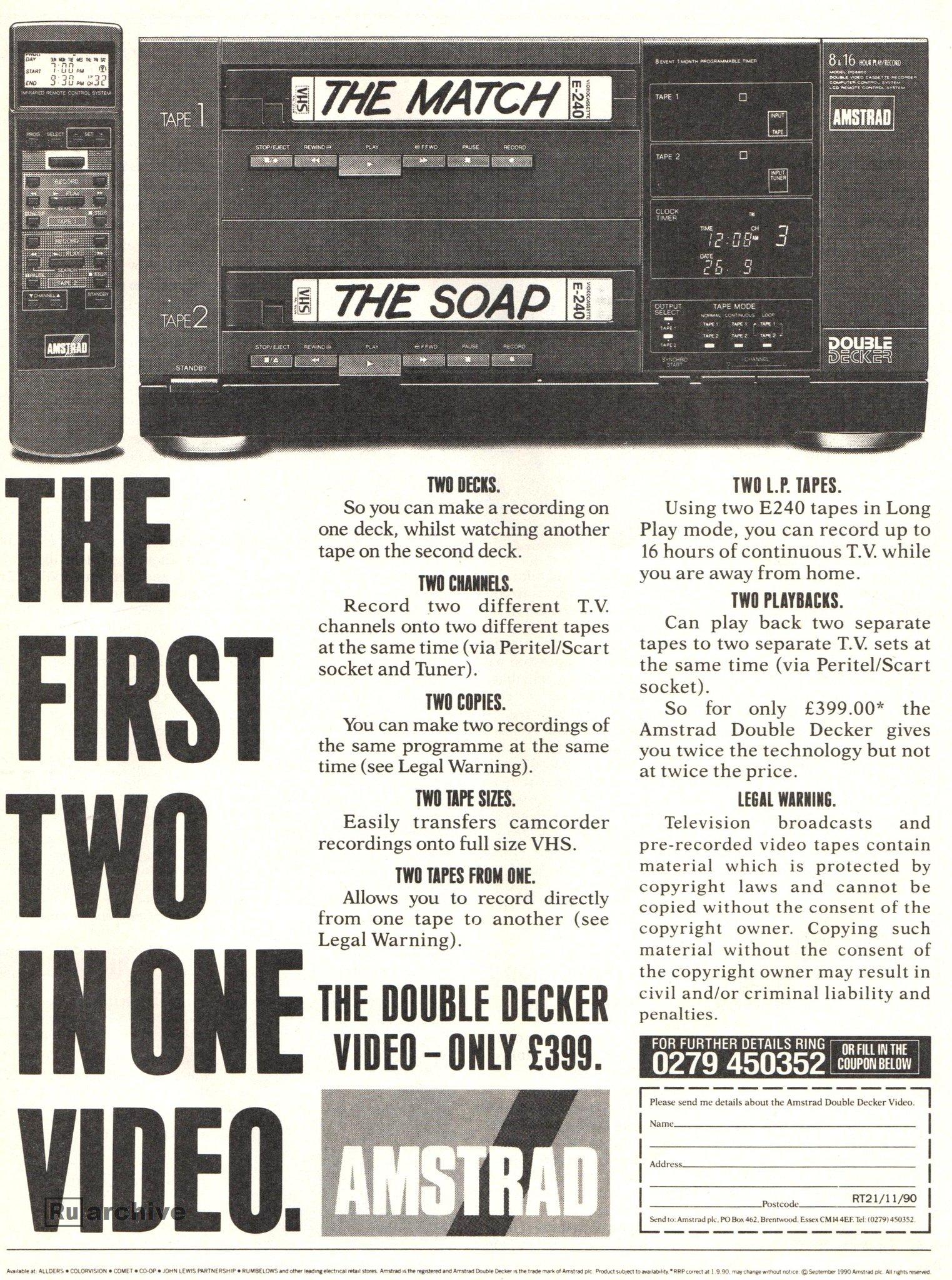
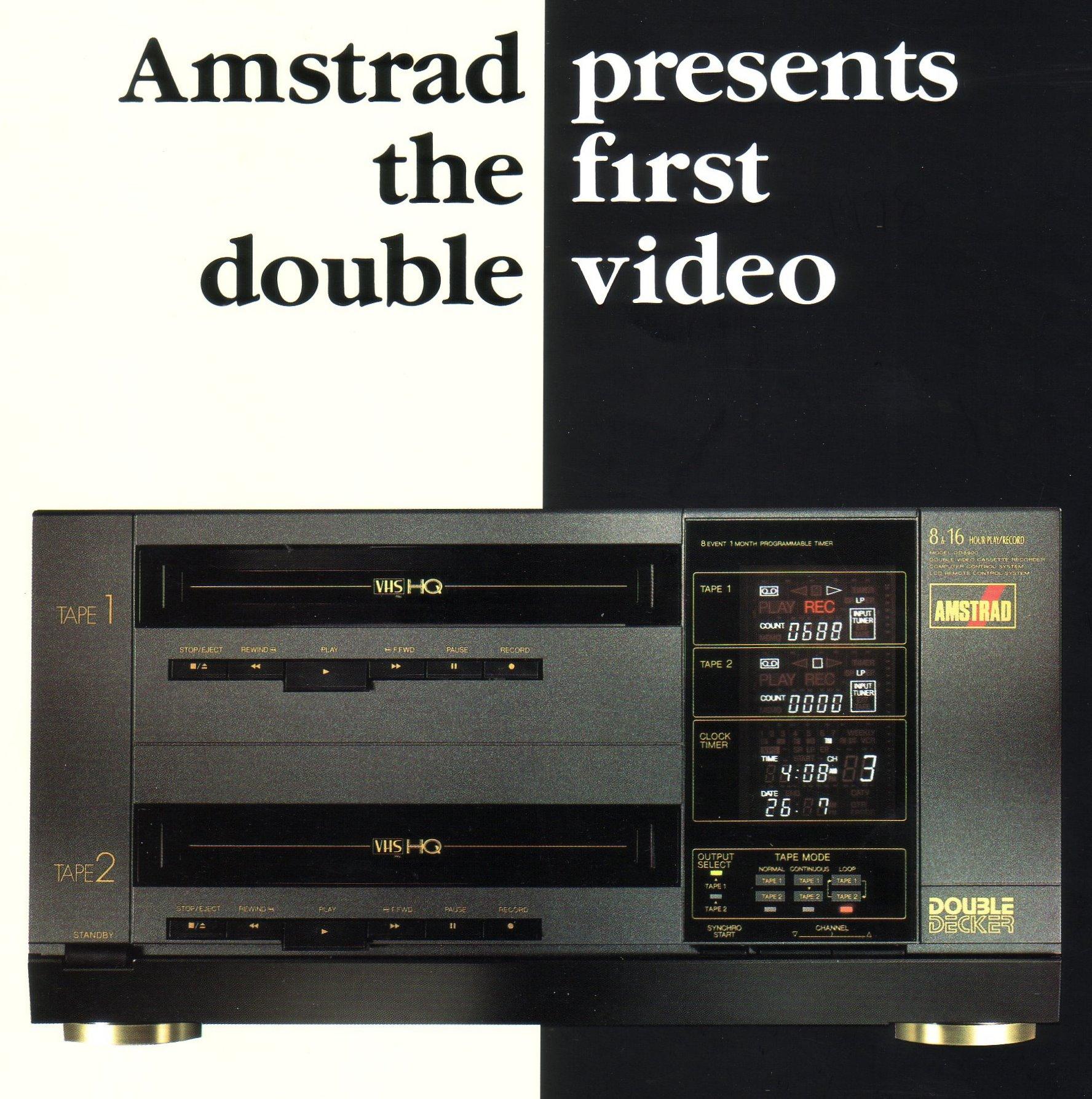
Double Deck Video Recorder (c.1990). The Amstrad Double Decker captured the public’s imagination. It was the first commercially available machine on which you could record from tape-to-tape. As in the days of twin-deck audio units, there were the usual objectors and nay-sayers asserting that the machine was an incitement to break copyright laws, but having previously won the court case against the BPI, Alan Sugar wasn’t about to listen to them. As before, one could argue that by the same token, the sale of knives or sportscars should be prohibited.
Alternative TV advert (Australia) here.
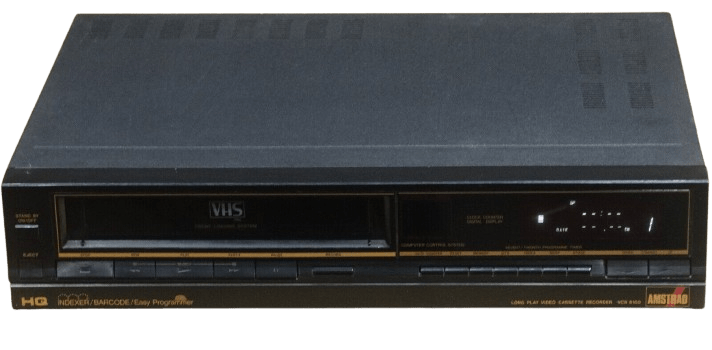
Video Recorder (c.1988). For VCR owners in the 1980s, one of the biggest bugbears was programming the recording timer. Amstrad attempted to simplify the process by introducing a machine which asked the user a series of questions on the remote control (eg. what day? what time? what channel?) after which the user would press the red button to relay the instructions to the VCR. To make things even easier, the VCR6100 also had a barcode-reader handset (see French advertisement in More Images); however, not many TV-listing magazines and newspapers were willing to give up their precious column-inches to print the necessary barcodes, so the system wasn't widely adopted.
Brochure and specification here.

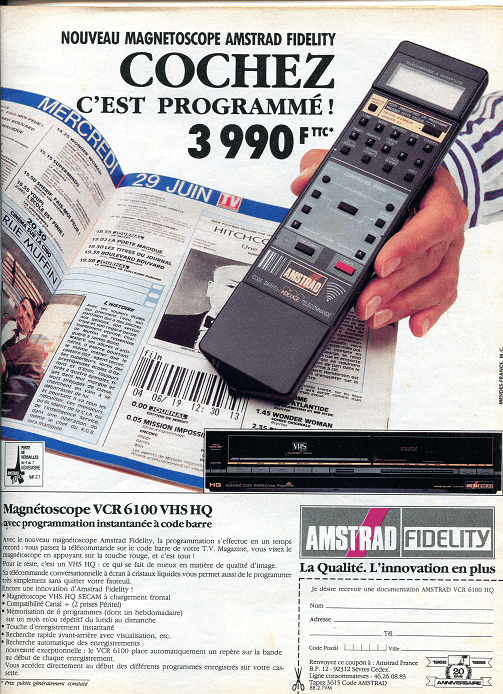

Video Recorder (c.1990). For VCR owners in the late 1980s, one of the biggest bugbears was programming the recording timer. Amstrad attempted to simplify the process by introducing a machine which asked the user a series of questions on the remote control (eg. what day? what time? what channel?) after which the user would press the red button to relay the instructions to the VCR. To make things even easier, it also had a barcode-reader handset (see French advertisement in More Images); however, not many TV-listing magazines and newspapers were willing to give up their precious column-inches to print the necessary barcodes, so the system wasn't widely adopted. Model VCR8800 included NICAM which enabled the user to record and playback in hi-fi stereo sound.
Brochure and specification here and here.
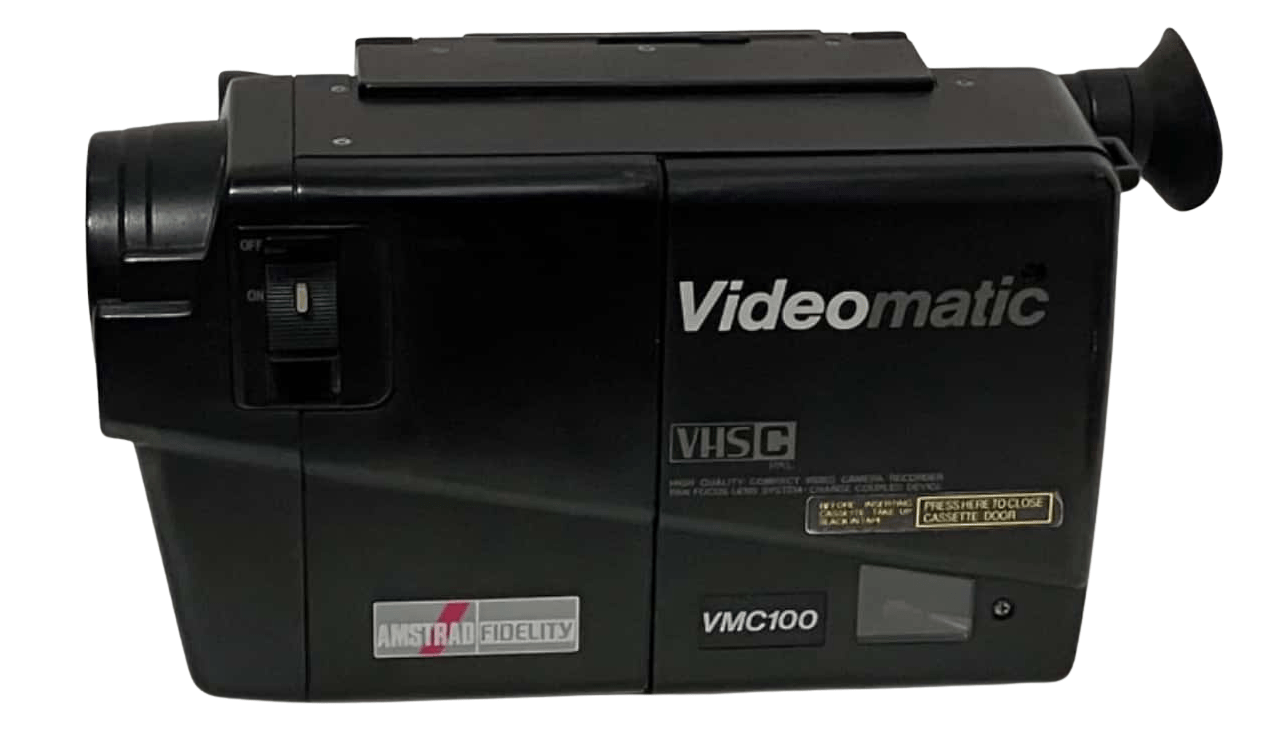
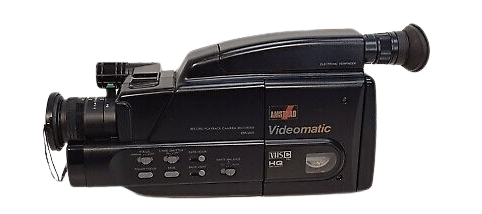
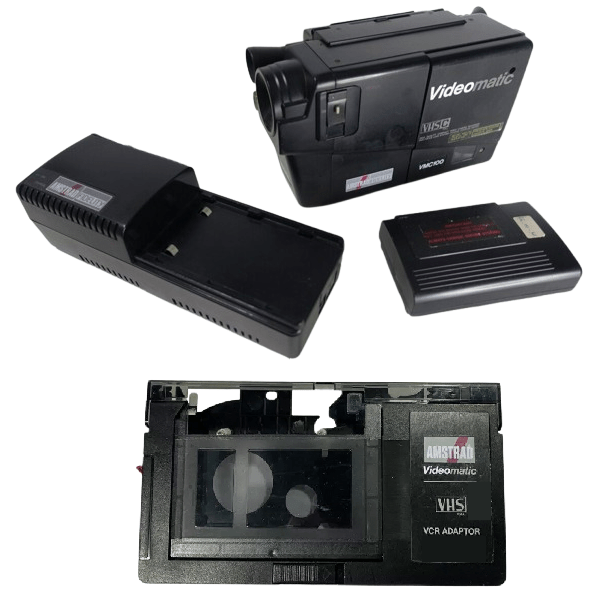
Video Camcorders (c.1988-90). The Amstrad Videomatic range, supplied with a range of accessories including power pack and charger, mini VHS-C tape, VHS-C to VHS adaptor, strap and carrying bag. The later model VMC200 had additional features such as electronic date/time marking, zoom and fade. Model VMC9 was for the smaller 9mm tape size, a later format that wasn't adopted for very long.

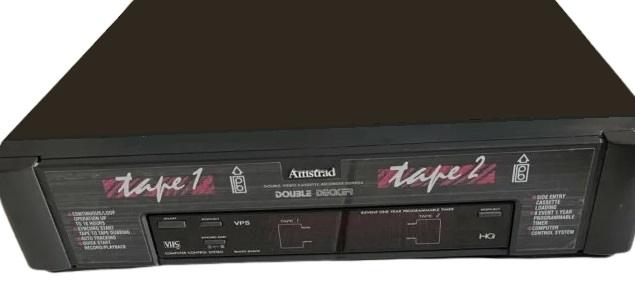
Double Deck Video Recorder (c.1992). Following on from the original Double Decker, this model managed to implement the concept in a normal-sized VCR by orienting the video mechanisms 90 degrees, meaning the user inserted their VHS tapes sideways.

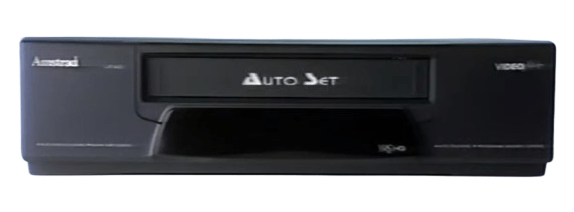
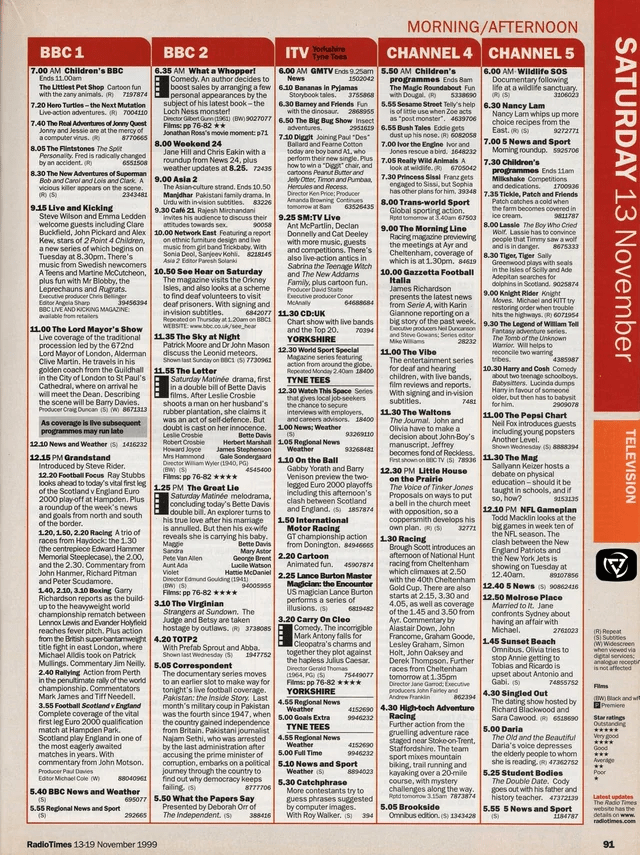
Video Recorder (c.1992). A range of User Friendly VCRs. Amstrad continued its quest to simplify video recorders, in particular the set-up process. On this machine the user didn't have to set up the VCR clock or tune-in the channels - this was taken care of automatically. Same-day timer recording couldn't be easier - a simple 3-step colour-coded handset was provided. Additionally, model UF40 was equipped with VIDEOplus+, a system which had become widely adopted in the UK whereby TV listings contained PlusCodes* for easy programming of timer recordings.
*The PlusCode was a 3-8 digit number published next to each programme on TV-listings (see example in More Images). The user would type in the relevant PlusCode and send it to the VCR to set up advance recording.
Brochure and specification here and here.
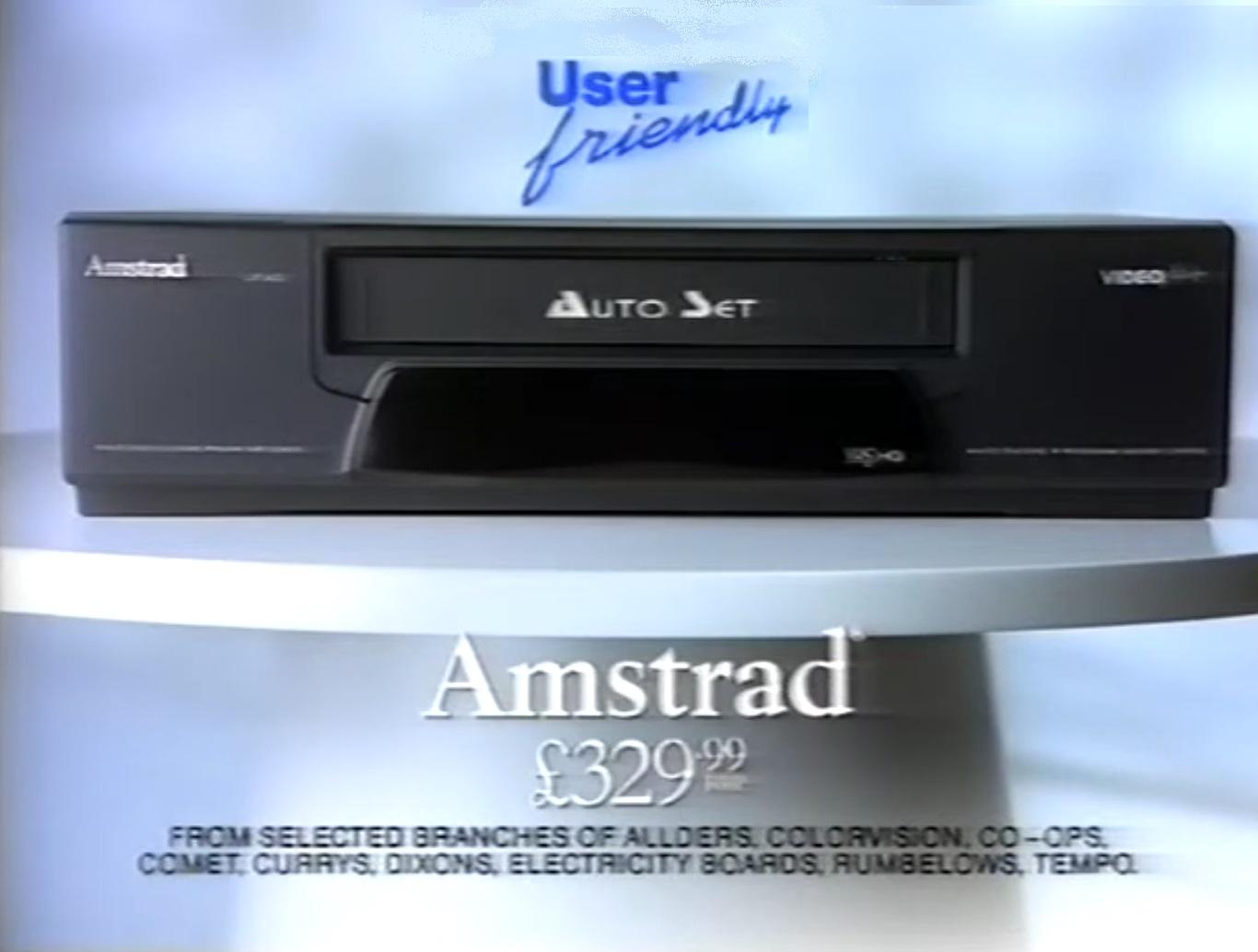

Video Recorder (c.1993).

DVD Player (c.1997).
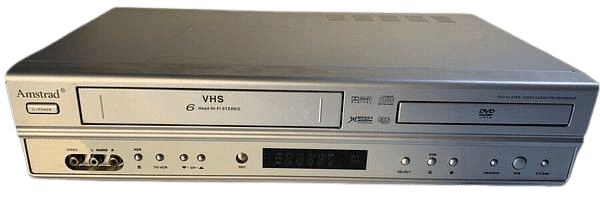
Combined DVD Player and Video Recorder (c.1998).